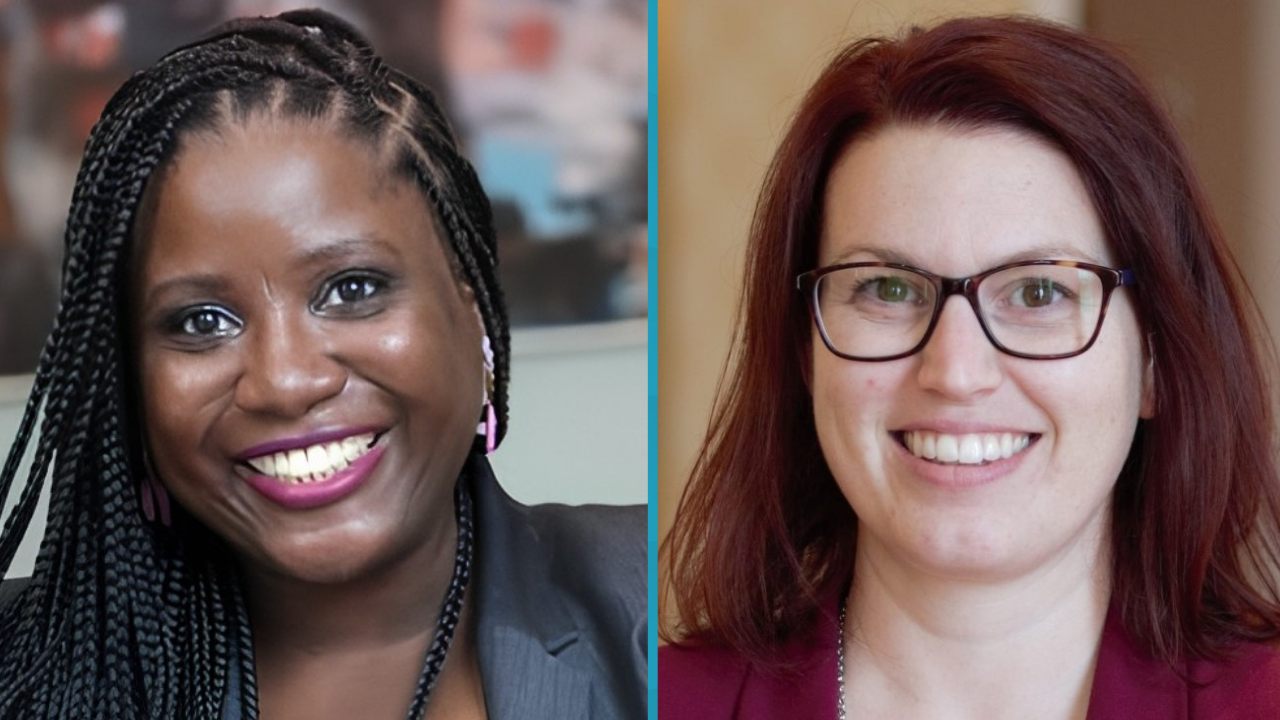
Liz Wayne
Hi everyone, and welcome to Office Hours with Liz Wayne, a brand new podcast brought to you by the Biomedical Engineering Society. I'm Liz, an assistant professor in bioengineering, and I'm going to introduce you to the world of biomedical engineering through my eyes or my voice. From genes to machines, biomedical engineers can do it all. We'll dive into how discoveries are made, how research becomes medicine, and what it's actually like working in academia today. So, whether you're a student, researcher, educator, or just someone who is curious about science and how the academic world works, you come to the right place.
So welcome to office hours. I'm your host, Liz Wayne. This is a podcast about biomedical engineering and society. Today we're talking about something that many students think they understand, but maybe they often don't until much later. And honestly, I think even as a faculty, I didn't really understand what people do. And so part of this is: what does the actual Professor do? And I would even go even farther to say, what is a teaching professor, and what actually is that role in the university? Joining me today is Dr Jenny Amos, a teaching professor in bioengineering at the University of Illinois, Urbana Champaign. Dr Amos is an AIMBE fellow, BMES fellow, ABET commissioner and executive committee member and two-time Fulbright specialist in engineering education. So you're the right person to talk to you about this, and you've received so many awards about teaching and scholarship. Your work expands research, education, bioengineering training, medical device, cybersecurity, which is also a really interesting segue. First, welcome you to the show. Thank you so much for being here.
Jenny Amos
Thanks for having me.
Liz
And you have so many hats. I want to hear about all of them, and you're the perfect person to ask about being this teaching fellow or being a teaching professor. So how did you get started first in becoming a teaching professor?
Jenny
Sure. So, when I graduated, I thought I wanted to be a faculty member, and so I did a postdoc, and during my postdoc, I realized what I missed the most was being able to teach and be in the classroom. And so instead of pursuing a more traditional career of a tenure track faculty position, I started looking for some that really focused more on teaching. So, the typical breakdown for tenured faculty is kind of like 40% teaching, 20% research, 20% service, or some blend therein. And my position is about 70 to 80% teaching, and then 20% kind of everything else. So, it really allows me to spend more time in the classroom, spend more of my energy on teaching and a little less on research, but really the same expectations for service, which we'll get into.
Liz
Yeah, and I want to go back to something that you said, where you said I was doing research, or I was in graduate school, and you knew you wanted to be a professor, but then you said, okay, but then I decided that I actually want to do more teaching, so there's almost this dissonance, maybe even early in your career, about what it meant to be a professor. Is that right?
Jenny
Yeah, absolutely. I had a fellowship when I was a graduate student that was from NSF. It's not around anymore, but it was called the GK12, or the graduate to K-12 pipeline, where I was able to teach in a K-12 classroom, I taught seventh grade science two days a week, and fell in love with teaching, and not just teaching, but, you know, really being like a mentor and a role model to the students. I really enjoyed making the curriculum and making fun experiments for the students to do. I think that's where I knew I wanted to be a teacher or professor, and I really liked working with K-12 students, but I loved working with college students as well. And so, through a more traditional teaching assistant or TA position during grad school, I had an opportunity to work with college students, and really enjoyed that opportunity. So that really drove me towards a career that was more focused on being an instructor in a college level setting.
Liz
So you had some really enriching NSF experiences on teaching, and you said you realized that you liked the teaching more?
Jenny
Yes.
Liz
And so, what was that experience like?
Jenny
Yeah, when I did my postdoc, I joined a lab that was just getting started, and I thought that sounded really exciting to kind of help guide how the lab developed, and mentor students and kind of set the protocols. And that was exciting. But I think what I started to realize during my postdoc was that the energy that I was hoping would come, and all of the great ideas I thought I would have about research just didn't start flowing immediately, and maybe I gave up too soon. But I think that I did feel that instant passion and great gratification anytime I got an opportunity to do a guest lecture or to teach during my postdoc, and I think that just the feeling that I got from doing two different activities and feeling really pulled towards the teaching was why I decided to really focus my career more on the teaching aspect.
Liz
I mean, that's really awesome, and it's exciting to hear, because I'm thinking of a couple of things, but one thing that comes to mind is sort of how you evolved into this idea. Because I think there's not knowing that they're teaching professors, but there's this other aspect of, Is this actually a viable career? Is that also still being a professor? I don't want to say stigma, but there's, like, a certain version of coming out that people have to do when they kind of have to say “I have a confession. I'm really sorry. You know, Professor, you're my mentor. I love you. I know, well, I don't love you, right, but you get it. I know you're funding me, but also I don't want to be just like you. I want to be something else.” And that's kind of- it just feels like you're telling us after the fact. But, sometimes is that a challenging conversation to have, or realization to make?
Jenny
My PI was very supportive. I think he knew that I loved teaching and that that was really what was motivating me to try to be a faculty member, was my love for being in the classroom and teaching. I don't think he was very surprised that I had made that decision, and he again, was very supportive of me in choosing this new career. And it was early enough and to study at the lab that, you know, it didn't really have a huge impact on research productivity, and the students had all been mentored. So I think we had a good relationship in that regard, of letting me take off and not waste any more time, not that it was wasted, but that I was doing something I wasn't completely in, and it was better for me to leave the lab and, you know, go pursue this other career.
Liz
Yeah, or not waste your time, but allow you to continue your training in a way that's meaningful. That's how I would probably say it.
Jenny
That's well said.
Liz
Most faculty theoretically think that you're here to train students, and so when you find out what they're good at, you do try to shape them. So, you decided to do a career as a teaching professor. What kind of training do you think is needed to do that? People may know a lot about the steps if you want to do a research focused faculty position, but what about for teaching?
Jenny
Yeah, largely, it's the same preparation. So, it still requires a PhD, and PhD that usually has a technical foundation, right that qualifies you to teach in these subjects. So, I still did a traditional PhD. I happen to have a lot of teaching experience during my PhD, and I think that is probably what we see in the profile of when we're hiring a new teaching assistant professor, kind of like, the entry level, just like in the tenure stream, we're looking for someone who has a PhD, who can present technical information in a clear way, and someone who has a passion and some skill in teaching, and usually that comes from being a TA during their grad school experience.
Liz
Cool. And then I've been on a few teaching search committees. And it's really interesting to see the kind of background that people have and what people are interested in, and what is seen as really good experience, and what is like, you know, kind of average. But I want to take a step back and maybe ask you to say, how would you describe what your role is and what you do now?
Jenny
Okay, my role now has morphed from when I first started, but I would say what I do now is I teach about twice as much as our tenure stream faculty. So I teach one and a half because I co-teach one course, one and a half courses a semester, and I teach a variety of topics, and across those two semesters, I do research independently, on my own, which is not a requirement of my position, but it is encouraged for those of us who want to pursue research, and I somehow fit in a lot of service activity as well. I would say my job is like a dream job, though, because the ratio and proportion of what I need to do in my job, like the amount of teaching I do, and then the amount of flexibility I have with all the other time that I do have left, is really up to me to decide. And I think that's one of the best things about being kind of a full professor, is really getting to take charge and use your time in the ways that you want. Again, as long as you're fulfilling your core teaching assignments, and, you know, committee assignments, you can do anything else with the rest of your time. And so that's kind of the reward of being at the full level now, is I get to have more control over what I'm doing.
Liz
Yeah, that's so awesome. What do you teach these days?
Jenny
I teach our core sophomore problem solving course, which is my favorite. So, it's this fall semester sophomore- like their first real engineering course. And I love being the person that kind of brings them into our profession of bioengineering, a course that I've taught, I want to say, for eight, nine years. So, it's been kind of my baby. I had taught design for about 16 years, and I taught undergraduate design, and now I teach kind of- we have combined with our med school, our master student and our undergrad like this comprehensive design. So, I co teach that, and then I teach our regulatory course, which is like an FDA approval safety quality course, and that one is seniors and grad students. So, I get kind of, like the beginning and the end of the spectrum.
Liz
Yeah, that's really interesting about the kind of courses that you teach as like a research track, tenure track, faculty, I've really appreciated having teaching faculty, because there's a certain amount of consistency that you can add to the material that better matches in some ways, like what students need for their actual stage of preparation and training to gear them for other things. How do you think about, I guess, like the way that you teach, like a sophomore course where you said you're introducing people to the profession versus the senior level courses?
Jenny
Yeah, they're completely different. You nailed it. The sophomore course that I teach, it's a lot of active learning, so I'll do a short lecture, and then we'll be in small tables and groups, and they're working together. I have kind of this army of course assistants, and we all rotate around make sure we talk to each of the tables. It's very hands on, very like, I would say nurturing, trying to get them comfortable with engineering work. And the grading policy is, I would say, pretty forgiving, right? It's about your process of solving the problem, not necessarily getting the right answer. So I think, in a way, I just try to make sure that it feels like they're wanted, they're welcome, they belong, and then I'm trying to support them as they enter into our degree. The way that we teach design is also very process oriented. So not just did you make the widget that your company wanted you to make but did you follow the design process and put in the effort, and you know, work well as a team? So, we foster a lot of professional skills in that course, I would say. Maybe I would call them like the employable skills all the things that they really need to get a job. And then the regulatory one, I actually use a lot of case studies. There's a lot of discussion, because they're more senior students or graduate students, they can kind of bring in a lot more experience to the discussion that, like a younger student wouldn't be able to do, and so those conversations get really deep, and we can have good debates across the classroom. So it's, again, a very different style of teaching. And I think that's what makes it so fun, is that I have this variety of courses in different ways of teaching that I feel constantly challenged in different ways.
Liz
And you know, you're saying it so effortlessly, but it's not trivial. It's not easy to merge all those different topics and have a well-designed course. And I imagine at Urbana Champaign, you've got really large class sizes, right?
Jenny
We do. I have about 150 in that sophomore class.
Liz
Oh, see, that's really- I mean, the larger it gets, the more rigorous and more streamlined everything has to be in the execution. And I imagine this leads into some of your research around bioengineering education, right? And so what kinds of things do you do on the research side?
Jenny
Yeah, throughout the years, I have chosen a variety of different things to study in the classroom. In my sophomore class, I have studied concepts of belonging, because, again, I'm trying to really bring them into the profession. So, I've looked at belonging, identity, feelings of self-efficacy, and how can we improve those throughout the course, and really how the course is structured and offered right, and not the content necessarily. And that produced some really interesting results that I have published and shared. I also have done studies on how students choose a major, and then what would prompt a student to change their major. That's a really big decision. It has financial implications. It could have social implications. And students, you know, make these decisions. So, I wanted to understand what information were they using, what perspectives were they considering when they change their major, not just choosing it initially, and we had an NSF funded study that was collaborative with UIC to kind of study this for a few years across a few cohorts.
Liz
This is incredibly important. Okay, it's making me think about the most recent conversations I've had with faculty about students. It’s related to generational changes in students, or, let's say, eras, and part of it, the most recent spike we've had is Covid, and thinking about all the ways that Covid has changed learning, both from a platform perspective, but then based on people's experiences, what level of training they had, and how that prepared or sabotaged them in preparation for the way we teach, and we're trying to adjust, but then figure out what's worth adjusting. And so when you think about belonging, or all these types of engineering education, the first thing I'd like you to actually say, just for the audience, is, why is studying things like this so important to educating engineers?
Jenny
Yeah, I think we always as engineers, want to recruit and retain the best talent that we can, and we want to create an environment that is a positive learning environment for them. And so, if someone feels safe or they feel they belong in an environment, they're more likely to perform well in that environment. And so, if we can do little tweaks to how we present information or how our class is organized, and, you know, try to use some of those best practices, we can actually increase student performance and kind of retain more students through the pipeline. We don't want that leaky pipeline. The images that I'm sure everyone has seen where, you know, when I went to school, they used to say, look to your left, look to your right, only one of you is going to be here. We don't want that mentality. We want anyone who wants to be an engineer to be an engineer. And there are ways that we can really help patch up that leaky pipeline and make sure that everyone makes it to the finish line.
Liz
Do you think these changes, the need to study them, almost indicates that there have been changes over time that have led to more attrition in students? What are those? I guess some of those unnamed changes or things that would necessitate saying, hey, we need to do learning differently than we've done it before, or teaching differently.
Jenny
There's so many factors that change, right? I'm thinking just of a few. When in the state of Illinois, we have people who come from the great city of Chicago, and we have people who come from really rural locations, those students come in with very different lived experiences, very different resources that they had access to at their high school. But you know, the student who lived in inner city Chicago and the student who lives out in Carbondale both got into, you know, the university and want to be an engineer, but their experiences are totally different, right? And so, we can't treat everyone the same because they're not the same, right? They need different resources. And so, by doing some of these studies in engineering education, we're actually finding ways of reaching students where they're at to kind of maybe bridge some of those gaps that they didn't have access to in order to help them be more successful. And so, I think an example of that would be tutoring centers. And so tutoring centers now are pretty accessible. When I went to school, you were lucky to get a tutoring center. It was mostly just one on one tutoring that you could have access to, or maybe the TA and now a whole floor of our library is just an open tutoring center where you can walk in, bring your homework, and you can work with someone, or you can go to an extra lecture that someone's going to give. So, I think there's just a lot more resources that now the university is providing to help with those gaps and make sure that people who are putting in the effort and want to be there, you know, can succeed. So, understanding the students better leads to the university putting resources where it's needed.
Liz
I see this like on the practical scale, because now I think about how do you implement those.
Going back to Covid. What do you think are some of the changes that we've seen from Covid that kind of reflect in the ways that we teach now, or that our profession has to teach?
Jenny
I think one funny observation I have about covid is I do active learning, as I mentioned earlier, and in my sophomore class during covid, I taught online. I was on a screen, just like we are now, and I would put students in the breakout rooms, and we would rotate around, right? They would work on their activities. But I think when students came back into the classroom, it changed the modality that we were doing, but I didn't change kind of how I structured the class. It was short lecture. Now you're in your group, except your group is physically with you. I think one funny thing I noticed, though, is them talking while I'm talking. They had gotten used to being able to chit chat and type on their phone or Zoom chat with someone while I was talking, and now they're back in the classroom and they were still talking while I was talking. And I found that really funny, because they didn't even notice that that would be a problem that they were talking while I was talking. So I always have to bring this up in my class, when I'm talking, I really need you to not talk.
Liz
Yeah, that resonates so much. I actually feel like I'm channeling my mother for some reason, because I'm like, why are you talking? And I'll literally stop talking. And I'll say, I'll keep talking when you stop.
Jenny
yeah, I do the same thing, yeah. I always tell them, I have really good hearing, and if you're talking, I hear it, and it distracts me, and then I can't deliver my lecture. And they're like, oh, okay, I see that. And then I feel like they kind of are quieter. But some tables, I have to tell multiple times.
Liz
Multiple times.
Jenny
“My turn”, and I'll wave my hand. It's my turn to talk.
Liz
They don't realize how loud they are or that they're less… Yeah, that is absolutely a thing.
Jenny
Yeah. I think just they're a very distracted generation, and I think a lot of that came from bad habits during Covid, of just the multitasking and thinking that they can multitask better than they really can.
Liz
Then the science even says that, yes. I've also found it interesting, because people want everything to be recorded. It has caused so much division me saying, like faculty or conversations, because on one hand, some people say, but I work on the board. We do board work. I have chalk and board still. And that's actually- sometimes it's really hard to do that in a classroom setting. Or the quality of the recording isn't very good, and it's really hard for me to try to make a good production quality. They give them the quality they want from a recording when that's not the modality that's being presented. Or sometimes this expectation of a hybrid nature where, like, I don't know what happened on the recording. There's a lot of expectations around like how that should work. And I've also found that sometimes, if you record, people either don't show up, or they ask for the recording and then never look at it, but they always want it, but it’s such an extra burden that I don't think they always understand.
Jenny
I agree. I think that's very true. They kind of just want everything right, every resource available to them, but the number of students that go back and watch the recorded videos is very small.
Liz
Yeah, yeah. I hope I'm not complaining, but I'm thinking about these things, because a lot of the language around the things that people are asking for now also revolve around like inclusivity and equity. Sometimes, you know, as a faculty who always wants to help and be supportive, I found it challenging to know when to give good answers or definitive answers when I don't want to impress on someone's rights. But I also think there's like, a balance that should happen, or, “Hey, I'm an educator, or I've even read the literature, and I can tell you that what you're asking for isn't actually helpful to you,” but then sometimes that doesn't help the conversation, or you just end up doing it because you don't want to get bad reviews. I don't know, I'm curious, as a teaching faculty, where you do a lot of teaching, in some ways it’s how you're evaluated as well, how you deal with this, like, interplay between being a real expert, because you do research and you've taught for a long time and you understand a lot of things, versus the new student coming up who says, I want this, give it to me this way, and then, combined with the kind of Uber ratings aspects that's kind of creeping into our profession.
Jenny
Yeah, I think that's the penultimate question that you asked. I do think that students are asking a lot more of faculty than… It used to be you came in, you delivered your lecture, right? You assessed them, maybe you held some office hours, and that was the job, and now we are being asked to do a lot more. Can you post old exams? Can you post an extra lecture on this? Can you have a discussion board that you're going to answer at all times of the day when I have a question? So, it is a lot more that I think we're being asked to do, and some of it is helpful and meet students where they're at in terms of accessibility and accommodations. Some of it is just more, right? It's just that students want more access to you. I think a lot of students, you know, hear teaching professor, teaching faculty, and think that I am just going to be more available to them, but that's not actually the case. I don't really have that much more time outside of what I already have blocked off at the class, but I do try to, you know, follow all the best practices, which includes multiple modalities of presenting information. So written, lecture note, right? Recorded video, interaction, all these things I try to improve. You know, the teaching and experience in the classroom that one of the studies I did that I mentioned earlier, where we were looking at student self-advocacy, student sense of belonging. What the students really said that hit me in that study that we did was that they knew that I cared about them, and that that's what made them come to class like I have very good attendance in my class, and I think it's because they know that I care, that I'm there, that I care about their success. I want to do a good job, and I think that we kind of now have a mutual respect for each other, and that's what I think provides the good ratings. And I think, you know, some of that, of course, comes with just good course design or being a confident experienced teacher. But I do think that there are ways even an inexperienced teacher can convey that level of care and wanting to be there and wanting to help them succeed, that that goes a long way towards the teaching evaluation.
Liz
No, I understand what you're saying. There's a line here. There is a line, and I think it's really interesting. I think every time I have a heart to heart with other faculty, something along this comes up thinking about course design. This is actually why course design, and really putting that effort into your class makes a difference, because it will for those students that care to show the concern that will start to trump more than, let's say I don't like how this was designed, or you said no to me, and it won't say that that won't happen, for sure, because that will still happen. You should probably always read your reviews with a glass of wine. But it is interesting, and I find it interesting to see where we're going to settle in terms of what the role of the faculty is, and what the role of the students are, and how that changes over time, and then what's reasonable for us to do, to expect. What is a reasonable shared responsibility for learning? Well, that would be the language I would think of, right?
Jenny
Yeah, like a contract.
Liz
You're supposed to also show up and think and do, and so we have to meet each other. And when we're not trying to meet each other, that's when the problem happens.
Jenny
I agree. Yeah.
Liz
I've heard from my colleagues too, that sometimes teaching faculty because of the increased load in teaching, and sometimes, if you're teaching the lower level classes and you're trying to work on inclusivity, or inclusion in the profession and belonging so much, they might take that a little bit too far, you know, like, especially for some of the women I know, it's like, Hey, I'm actually not your mom, even though I know I have this role in your life, and that can be really challenging in terms of how they view you and how they take when you push back and say, No, actually, read the syllabus.
Jenny
I have seen. There are several of us in my department that are teaching faculty, and I have seen the students form closer relationships with the teaching faculty, just because they do see them multiple times throughout their four years in the undergraduate program, and they do feel like they can reach out to these people, or maybe that they'll be more understanding or more flexible in their policies because of the type of work that we do to build that environment in the class. So, I agree. I think that's kind of like that additional burden, so to speak, of being kind of really inclusive and welcoming, is that then, you know, you do have that increased- they come to you and want letters, they come to you and want advice, they just stop by your office to say hi. And you know, you, you do tend to have a little bit more of an open-door policy, I think, if you're someone who kind of spends that extra time with the student, so it comes with additional time inherently.
Liz
Or they come and talk to me, and then they don't want to know about heat transfer. They want to talk about their breakup. Or they want to talk about another faculty and like, “oh, okay, you know, I don't want to…” you know, it can be very challenging, and they can feel rejected when you have boundaries, or say, actually there's rules and there's things you should do. So this is totally interesting, and I think part of becoming experienced teachers, but if there are students listening, I think it's interesting to think about what this role is. The last thing that I'm curious about is the other challenge with teaching some of the introductory classes is that the amount of belonging and kind of preparation you're giving into them is actually stage based. And the challenge might be, or what I've heard frequently, I'll give an example where someone will say, “Hey, you're doing your class X way, and you're not letting us turn it in whenever we want, or you're not letting us do some other things, or we get to have two pages of an equation sheet. But in such and such class freshman year, they let us do all of those things. Or they did have certain standards.” And I think there's like can be challenging to get people to think about the growth that's supposed to happen, and that some things are actually not because we're mean or we don't like you, but there's actually intellectual and professional growth that's expected, right? So, they don't think it's stage based. They're more likely to think it's like, do it this way, because the other person did it this way, and I want to always be this way, and it's really hard to get people to not do that.
Jenny
I agree. As someone who teaches kind of their first real engineering course, I feel like my job is to help them break some of those bad habits or expectations and set some new ones that I believe are enforced through most of our curriculum. So as a faculty, right, we talk about different syllabus policies and things, and kind of share that language. And so, because I'm kind of the first I have this really verbose explanations of a lot of my policy and my Canvas page, my learning page, and I think that helps. And then I am firm on deadlines. There's a deadline. If you need an extension, I need to see some documentation. I'm not just going to take you at your word, and I am very strict on that, and I think that that helps set the tone for just being professional. And like you said, that's just the expectation of you're getting older, there's more responsibility and you need to kind of adjust.
Liz
Yeah, I think the challenge with teaching is not always done consciously, not consciously, but it's like the unspoken curriculum. And I've even been thinking about how to start classes and be really explicit about that, that it's like a professional growth that you have here, an intellectual growth that I expect things to be on time, because now you should be learning about time management you should actually be understanding, or you are practicing how to deal with three different really big classes simultaneously. Like, it does suck when those deadlines overlap, but actually part of growing is actually learning how to do those and implicitly, in a small way, a lot of the grading is similar to like taking an exam, I actually started telling people to remind them to practice for the exam, but practice timing on the exam as well.
Jenny
I need to.
Liz
Because you're not just practicing whether you know the material. You're practicing how you work under stress. You're practicing time management. You're practicing reading details and discerning what's important and not important, and if you only think “like but I did the problem.” No, did you? Especially if you have the key next to you, it's not going to be the same anyway. I'm really interested in teaching, and I think that the current climate is requiring us to be better teachers. And sometimes I feel like the teaching faculty have a lot of pedagogical or like experience and something maybe to think about it. I have a question for you, is this like a fact or myth? So sometimes we think that teaching faculty also have more time to do the pedagogical thinking and core structure and design, and that's why they also think about things. And so, is that true or not true?
Jenny
I think I am one of the busiest people you will ever meet. And I actually one thing I did in my sophomore class was one day they asked if I could schedule another office hour, and I showed them my calendar for the week, and they all gasped. And they were like, we didn't know you were so busy. Like, I'm sorry. Like, I want to be available, but I am not available. I am doing all that I can, so I don't think we have more time. I think it's just that we have a little bit of that training or know how, and then, of course, a passion for the topic, to be able to try to dabble and experiment in things. And I would say that's in the early days of being in my department, that was really how I think the tenure stream faculty viewed me as someone who could take risks in their class and try things out, and then, you know, tell them, hey, this worked or this didn't work, and help them implement it. So I did a lot of that, like kind of mentoring them and how they could renovate their course, like I did this with the students, and here's how I did it, and this worked, and then trying to help kind of get those changes to propagate, but because, I mean, I am evaluated more on my teaching, but at the same time, I can probably take more risks with my teaching than the typical tenured faculty or pre-tenured faculty, I should say, who is a little bit more worried about taking some risks and maybe affecting their promotion. So, I think that's kind of an advantage that we have, maybe.
Liz
What is something you wish your peers, so your research track faculty, appreciated more about teaching faculty or understood more?
Jenny
So I give this talk, and I've given it several other institutions, which is the difference between scholarly teaching, which is good teaching, like using some best practices, the Scholarship of Teaching and Learning, which is doing something in your class and studying how it went and maybe reporting on it, like at a conference or In a paper, and then engineering education research, that's its own field of research. It's established. We have our own journals, our own conferences. It's a community of educators who are professors, and I think that everyone thinks it kind of stops at the Scholarship of Teaching and Learning, like the research that I do is only about my classroom and it's not, it's actually still generalizable. There are theories, there are frameworks. It's its own field. And I think sometimes that gets lost when people think, oh, you're a teaching faculty. You just study your own classroom and that's your lab, and it's, no, that's not my lab, like I actually do this whole other area of research. I think that would be one thing I wish more people understood.
Liz
I hope they understand it today. I know enough to know that I don't know enough, right? So I I've dabbled enough to know what you're talking about and to have probably been one of those faculty. And then I've also dabbled enough to see people actually doing it and seeing what the good scholarship looks like, and like, oh. The analogy I would give for faculty is, imagine your student comes into your office and then they tell you, I've done an experiment, and I think it should be ready published. Okay? First of all, they think one experiment is enough to publish, bless their hearts, right? And then they show you the experiment. It's like an n of one, right? And then the hypothesis doesn't match the experiment, the conclusions don't match anything about what they just said. So, right? And you can point all these out, like if I were talking about cells or biomaterials or some analysis, but somehow, when it comes to teaching, we don't think that that kind of rigor even exists. And we think that any one result or a anecdote that I got is now the same as I need to be in Nature. And I think that's like, you know? So if you think about like, this scholarship with the same lens that you would something that would go into the biomaterials journal.
Jenny
Right. For us, that would be the Journal of Engineering Education. That's like our Nature. That's the high impact factor, the gold place to publish. So, we do, yeah, we're our own field, and there are standards, and they're enforced, and it's rigorous. And I think a lot of people don't understand that. I'm glad that you do.
Liz
Again, I understand enough to know that I know nothing. You know nothing, Jon Snow.
But one thing that faculty on both sides of the spectrum have in common is tons of service. And so you do a lot of service, among other things, you also do things that are on the like department level and also on the national level. And I was thinking about what place to even start. So maybe I'll ask you, what are some of the things you do on the department level, in terms of service and some of the national things that you do?
Jenny
Yeah, so actually, department is probably less than what I do for the college or the University. I've got a little bit of a reputation of being good at leading a committee, so, and I love a good committee, but in my department, I am the director of our Master of Engineering Program, and so for that, I direct our kind of curriculum committee and then admissions committee, and that is really my department level kind of service that I do, so it's really focused specifically on the Master of Engineering program. For the college, I do a lot of things. I am the Director of Professional Development for the college, and for that I created and I run our- we call it STEP, it's our Scholarship Teaching and Engineering Profession. It's our postdoc mentoring program, so it's a yearlong lunch based program, kind of a lunch and learn where we bring in postdocs from the Granger College of Engineering and teach them what it's like to be a faculty member and how to apply for faculty jobs. We also have several faculty mentoring programs, and so in my role for the college for professional development, I'm more of a facilitator and keep running those programs. I'm not the one actually delivering a lot of the content, but I kind of help organize them and keep them running. I also coordinated our ABET visit, which is 14 programs for the College of Engineering. I was mentoring all of the departments through the process of getting their ABET accreditation. That was a lot of work. I run a couple of awards committees in the college, and then for the campus level, I'm on our Education Policy Committee. I'm a subcommittee chair. So any changes in curricula, starting new departments or any educational policy changes that come through our campus, go through that committee, and then I'm on the Senate Review Committee, which reviews all the work of all the different 21 Senate committees. And we review all of those and make sure that the Senate is running smoothly.
Liz
You guys can't see this, but in her background, she's got like, a wall of medals that she’s won. And I feel like, I know they're for recreation, for races, but like, you just gave me medal award winning topics of list of things, like, you could just have a medal for everything. That's a lot of services to keep going.
Jenny
Yeah, service keeps the university running. And I think you're at a state institution, I'm at a state institution. You know, the faculty run the institution. So, there's a very strong service mindset. There's a lot of faculty governance. And so, it's really an honor to get to have such a strong voice in what you're. University does. So, for those who don't get involved in, you know, committees and service through the institution, beyond your department, like getting out to the college campus level, you're really missing out on opportunities to share your voice and your experience and have a big impact on your university. So, I think for me, that's what drives me to keep doing those things is I love having a seat at the table and feeling like I'm having an impact and I love the idea of the faculty governance, you know, that's we're there, we're respected, we have a voice at the table. And that feels really good.
Liz
It's so important what you're saying about being heard and shaping institutions, it sounds like, oh, I don't want to be involved in anything. I'm so busy. I just want to do my own research or teach my own classes and get it over with. But then there's so many things that happen around us, and then if it doesn't get done, it's because no one's doing it or just shaping how it gets done. So it's super, super important, and I think it makes the University as an enterprise team more engaging and fun, and certainly, as you grow in your career, you actually want to do more things than just your research, which might be hard for some assistant professors to hear, because you spend so much time working to get the job that you get this, and this whole beautiful space opens up of like, wow, wait. What does it mean to be a professional educator now as a professional researcher, because this is what it means. You're shaping policies, institutions, like frameworks, directions. So, it's really exciting to do that and you chose these roles.
Jenny
It also just breaks you out of your little silo of your department and your own way of thinking. Because, you know, on these committees, there's professors of theater, of business, of language arts and we're all on the committee together sharing, oh, we do this in my unit, and that's really fascinating to just hear how other people are doing things, and maybe bring some of those lessons back. So, I feel like it just helps me stay really grounded, right? And kind of see all those different perspectives from my peers in other units, and I always really value that too.
Liz
Tons of advice, what about the national level?
Jenny
Yeah, so BMES is my favorite organization. Go BMES! but I have been, you know, since grad school, been coming to BMES conferences, and that's, you know, my favorite conference to go and network and connect with people, and of course present, it's the place to see and be seen. And so, when I started my faculty career, I applied to be on some committees, and everyone said, Oh, you're too young. You don't have enough experience. So as soon as I finally got enough experience, I was really happy to join the Education Committee as a member, and then I joined the board of directors, and so I was a board of director member. And then I joined the accreditation Activities Committee as well. So I joined two committees, and then the board, and then I had the opportunity to take on the role of chair of the Education Committee for five years, which was great. I mean, think about your own curriculum committee, but it's the curriculum committee for a whole field, right at the national level. And so, we discuss what's important and what should be included and what opportunities for education our members need, and we offer sessions.
Liz
Let me ask you about that, because BME as a field, it's like we're always in a crisis, and maybe we shouldn't- It's no longer called a crisis. But I think the question of, what is biomedical engineering? How should people be educated? What's your take on this? And especially having this role in the National Society, which, you know, many institutions, if not all of them, get feedback or direction from what BMES does? What do you guys do? Like, how do you define what BME is, and what do you think some of the biggest challenges are in BME education today?
Jenny
We're a constantly evolving field, right? Compare us to, like, a civil engineering program that's been around for hundreds of years, and we're really, you know, famously back to maybe the 80s or 90s, the Whitaker programs were starting. So not a very old field. I do think there has been a lot more normalization or harmonization about what BME is in the last 20 years. So, since the 2000s, I think that that's become a little bit more of a known identity, or kind of a brand of major, but you still get a lot of variety based on really kind of the flavor imprint that the department has because of how they were started. So, the program started more out of a mechanical they're going to be more biomedical, maybe more device oriented. We were born out of electrical. So we have a lot of instrumentation and controls and signals and symptoms. So, like the flavors are different, but I feel like they all lead to the same kind of ending place, the same career opportunities, just maybe with a slightly different emphasis. And that's why in our ABET criteria for BME, it says, you know, you have to have a foundation in math and in, you know, biology, chemistry, physics, and then you need breadth and an area of depth in your curriculum in order to really be a bioengineer. So yes, we're broad, right? We represent the application of engineering to biomedical problems, but we also have depth, at least in one of those areas. And so, I think that's where programs might look a little different, is what they choose for the depth. But we all have that kind of same breadth at this point.
Liz
So the field has kind of reached consensus on this, you think?
Jenny
It feels like it, yeah. And actually, one of the projects that we were taking on, and now Mary Staley is taking over as Chair for the education committee. Was to do this kind of like state of BME, and every year to kind of do a study of, okay, physiology. How are BME programs, nationwide, teaching physiology? You know, what are they covering? What topics, what books are they using? And kind of publish that every year on a different topic, like a rotating topic, and I think that'll be a really great way for people to kind of come together on a topic every year and, you know, share and talk about how we as a community approach a topic.
Liz
Yeah, I like that idea and the revamping. It's always come up when I talk with people, with other engineers who are not BME engineers. What is BME? It's not really its own real field. I talk with students, and sometimes they feel like a dissonance, because after their program is over, they feel like they learned a lot, but they can't… I think we're still a field that needs graduate education to kind of do BME research in a way, I'm thinking about the ways in which you've crafted your amazing career, to be able to still take your initial interest in teaching and saying, This is what really motivates me, and I'm very interested in college students, and crafting that into a way where you get to shape the profession of teaching and shape the futures of multiple students. That's just amazing.
Jenny
Thank you! Very kind of you to say.
Liz
I don’t know if you just thought about that recently, if you're just like, wow, yeah, I really did do that.
Jenny
it feels intentional that I did those things. But it also was just being fortunate and being lucky and being in the right place at the right time. I don't think it was a big master plan, but I always have thought that I wanted this, like, national level involvement, and I love education, so I always wanted to be a part of the education committee, and then getting to chair it was, yeah, a really great opportunity for me.
Liz
So we're going to close, and I want to ask you a few quick questions. I'm going to ask you to kind of give your take or your advice on what you think is happening in the field, and, like, the future of everything, so you can be a little adventurous here, let's say. For a new teaching professor starting out now, or graduate who wants to be a teaching professor, what do you think they need to do now, that may not have been true, let's say five or 10 years ago?
Jenny
I think that these positions have become more competitive than they used to be. It used to be hard to find people who really wanted to dedicate time and take on these roles that were not kind of the standard tenure position. But I do think that they've become more competitive. There are more of them nationwide as well. And I think again, what we're looking for, for someone just starting off is a strong technical background, so that we can rely on them to teach a variety of courses, because they will be teaching more than the typical tenure stream faculty, and so it's important to make sure they can fill gaps within a curriculum where their teaching need is, and I think also they should have had some previous experience and success in teaching, and so usually that comes through the form of being a TA, maybe multiple semesters, right? So that we can see some history and success in terms of being able to teach, it's hard to always get a TA, right? It's never a guarantee in some programs. But any guest lecturing, any effort that they can put into showing that they have a passion for teaching and that they, you know, are good at teaching, is really good to have. And then usually that manifests through the search process. They'll be asked to do a teaching demonstration as part of the hiring process so that we can see it in practice. So, get an idea of how they're going to be as a teacher.
Liz
Do you think that the teaching faculty position that we need more of them or less of them?
Jenny
I think ratio is important. So nationwide, I think we need more of them, because some people don't have them yet. But I think the ratio of tenure stream to teaching faculty is important to take into consideration, because what you don't want and what would be probably a negative portrayal of the role would be only teaching faculty teach, and tenure system faculty don't, right? That's not a job. That's not what we're here for. We're all here to educate students. I think what you want to do is make sure that you're maybe high enrollment, your high touch, like labs, design, like those, have someone who's really, who's really dedicated and passionate about teaching, and those can be filled probably better by a teaching faculty who would just put that time and passion into the course. But I don't think you want to have a department where really only teaching faculty are teaching core courses. You that would show a negative portrayal of them. I think so. I think it's about the ratio and the balance, and using them where they're going to have the biggest impact.
Liz
Will AI replace teaching faculty?
Jenny
I don't think so. And I think because the feedback that I get from my students, it's that I care and that I'm there and that I design my course the way I do. It's not that I lecture better than anyone else. I don't think that I do. I mean, yeah, you could watch a recording of the lecture, but I don't think that's any different. I don't think I do that any differently than anyone else. I don't think I explain things better than anyone else that, yeah, an AI can do that. I think it's the other things, the kind of real, tangible experience of being in the classroom that all of us provide as faculty, that's where the value is. Otherwise, you can just go on Khan Academy and get a degree, right? It's not the same.
Liz
Yeah. Last question for you, what's the best career advice you've ever received?
Jenny
The best career advice that I remember getting was to figure out what you enjoy doing, what makes you happy, and kind of keep a little bit of a journal about, you know, every hour of your day, kind of jot down how you feel, what you were doing, how you felt about it. And I did that for probably a couple of weeks when I had just been promoted to associate and I was trying to think, like, what do I want to do? Do I want to, you know, stay in the department and be a faculty member? Do I want to do an administrative position? And so I journaled my days and found things that I found fulfilling, and actually one of them is service work. I really was enjoying going to meetings and talking about important problems and coming up with solutions. I was enjoying my teaching, and I thought, you know, that sounds like faculty life to me, so it helped me make that decision based on some evidence, right, how I was feeling and what really resonated and made me happy. And I feel like again, as a full professor now, I can kind of pick and choose my opportunities a little bit more, and I choose what makes me happy, and I do those things, and I love my job.
Liz
I don't know, I'm speaking for Urbana Champaign, but it seems like the job loves you back, and the people love you back, and you have such a great contribution. And I've heard nothing but good things since before we talked. Jenny, thank you so much for joining us today. This was amazing. You gave us a behind the scenes look at what professors actually do. I think I learned more about teaching professors. And, you know, I feel more inspired actually to go back and check my own teaching honestly.
If you'd like to learn more about Dr Amos's work, we'll include links in the episode description, and thanks for listening again. This is Office Hours with Liz Wayne. If you have questions or ideas for a future episode, feel free to email us at communications@bmes.org you can also stay up to date by following us on social media at BMESSociety and visiting our website at bmes.org/podcast/officehours, we look forward to hearing from you and hopefully featuring one of you on the podcast.




.svg.png?width=39&height=39&name=Podcasts_(iOS).svg.png)