
BMES Launches American Health Discovery
Biomedical engineering has become the backbone of modern medical advancements. As we mark the 250th anniversary of the United States, we want to...
BMES serves as the lead society and professional home for biomedical engineers and bioengineers. BMES membership has grown to over 6,700 members, with more than 110+ BMES Student Chapters, three Special Interest Groups (SIGs), and four professional journals.
Welcome to the BMES Hub, a cutting-edge collaborative platform created to connect members, foster innovation, and facilitate conversations within the biomedical engineering community.
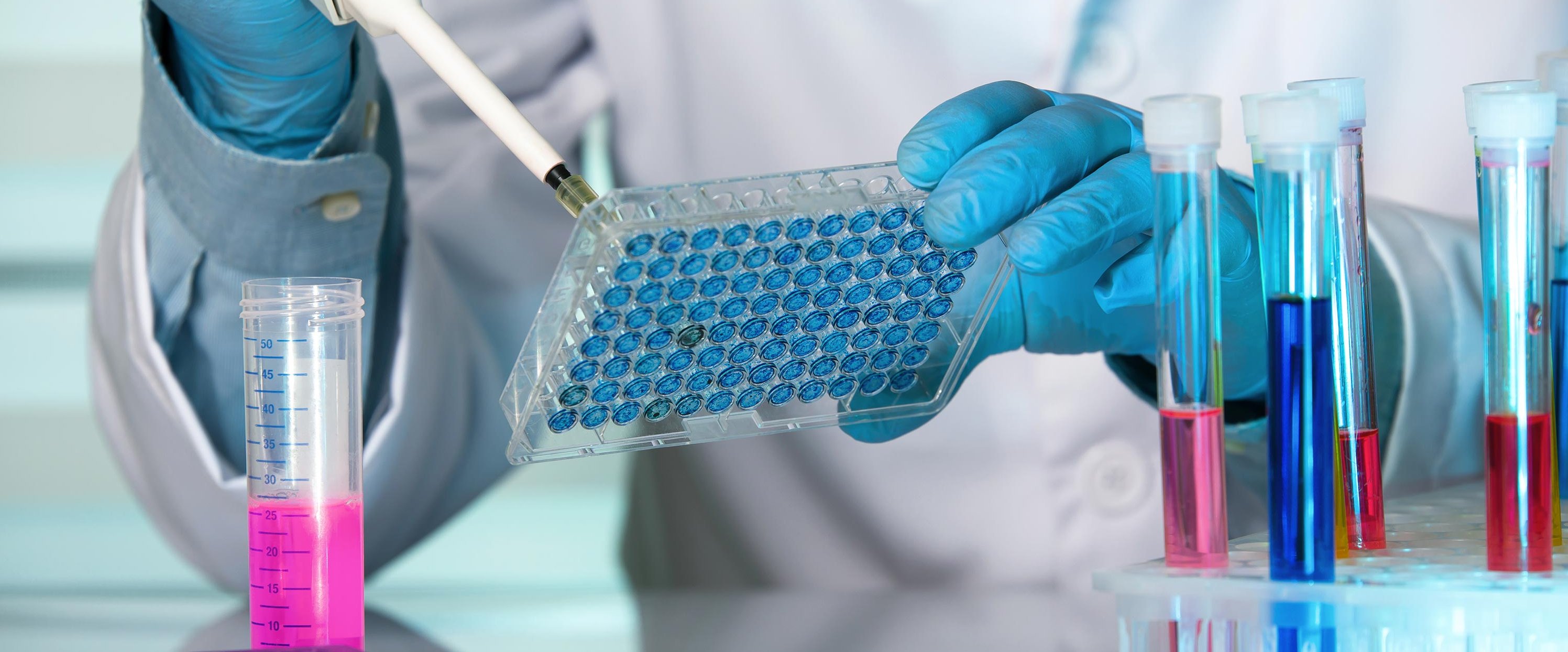
Engineering researchers have developed a device the size of a wristwatch that can monitor an individual's body chemistry to help improve athletic performance and identify potential health problems, according to an announcement from North Carolina State University and in the Joint Department of Biomedical Engineering at NC State and the University of North Carolina at Chapel Hill.
The device can be used for everything from detecting dehydration to tracking athletic recovery, with applications ranging from military training to competitive sports, according to the announcement.
“This technology allows us to test for a wide range of metabolites in almost real time,” said Michael Daniele, co-corresponding author of a paper on the work and an assistant professor of electrical and computer engineering at North Carolina State University and in the Joint Department. Daniele is a BMES member.
Metabolites are markers that can be monitored to assess an individual's metabolism. So, if someone's metabolite levels are outside of normal parameters, it could let trainers or health professionals know that something's wrong. For athletes, it could also be used to help tailor training efforts to improve physical performance.
“For this proof-of-concept study, we tested sweat from human participants and monitored for glucose, lactate, pH and temperature,” Daniele said.
A replaceable strip on the back of the device is embedded with chemical sensors. That strip rests against a user's skin, where it comes into contact with the user's sweat. Data from the sensors in the strip are interpreted by hardware inside the device, which then records the results and relays them to a user's smartphone or smartwatch.
“The device is the size of an average watch, but contains analytical equipment equivalent to four of the bulky electrochemistry devices currently used to measure metabolite levels in the lab,” Daniele said. “We've made something that is truly portable, so that it can be used in the field.”
The paper, “Wearable multiplexed biosensor system toward continuous monitoring of metabolites,” is published in the journal Biosensors and Bioelectronics.
Read more HERE
Biomedical engineering has become the backbone of modern medical advancements. As we mark the 250th anniversary of the United States, we want to...
Late last week, the Administration released the FY 2027 President’s Budget Request, outlining proposed funding levels across federal science and...
In the biomedical engineering ecosystem, breakthroughs often begin in the lab but getting them to patients is a complex journey. That is where...
1 min read
This month, we commemorate the emancipation of slaves and reiterate our commitment to supporting LGBTQ+ individuals who are members of BMES as well...
3 min read
7/2/2020BMES Responds to Racism and Equal JusticeGeorge Floyd was murdered by a police officer in Minneapolis on May 25. Our hearts go out to the...
1 min read
Boston University researchers have created an alternative adhesive formula that is biodegradable and easily adapts to suit a wide range of industrial...