In this episode of Office Hours with Liz Wayne, Liz sits down with longtime BMES member and leader Michael King, E.D. Butcher Professor of Bioengineering at Rice University, to explore the evolving role of professional societies in biomedical engineering. From his first BMES Annual Meeting in 2000 to serving in major leadership roles, King reflects on how conferences, mentorship, networking, and community have shaped his career and why these spaces remain essential for students, researchers, and faculty alike.
Together, they discuss how BMES has grown over the years, the balance between in-person and virtual engagement, the importance of supporting early-career scientists, and the challenges professional societies face in a rapidly changing academic landscape. The conversation also touches on leadership, scientific advocacy, and what the future of bioengineering communities could look like as technology and culture continue to evolve.
Office Hours: Episode 8

Why Professional Societies Matter in Biomedical Engineering — A Conversation with Dr. Michael King
Available on: .svg.png?width=39&height=39&name=Podcasts_(iOS).svg.png)

Podcast Addict | Podcast Index | And Other Podcast Players | Download the Episode
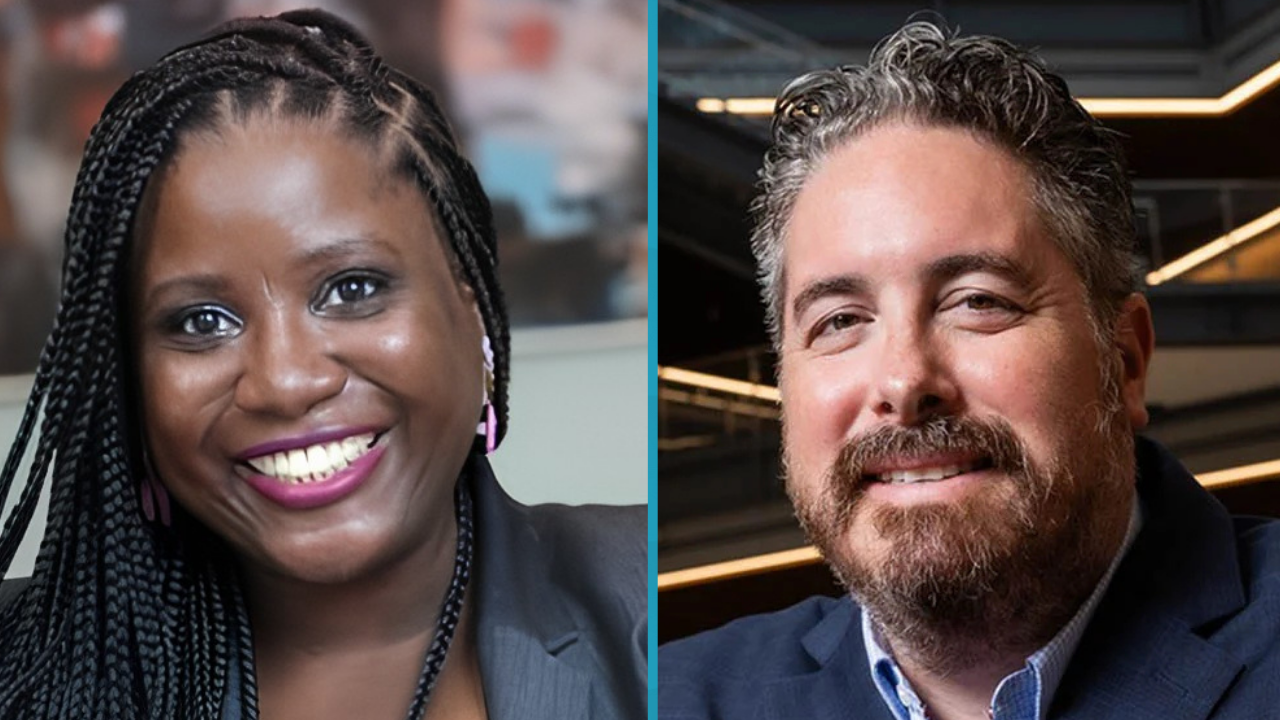
Dr. Liz Wayne, Office Hours Host & Assistant Professor at University of Washington; Dr. Michael King, this month's guest, E.D. Butcher Professor of Bioengineering at Rice University, Associate Vice President for Research, and Special Advisor to the Provost on Life Science Collaborations with the Texas Medical Center
Episode Extras
-
Learn More About Dr. Michael King
Dr. Michael R. King is the E.D. Butcher Professor of Bioengineering at Rice University, Associate Vice President for Research, and Special Advisor to the Provost on Life Science Collaborations with the Texas Medical Center. He is also a Scholar of the Cancer Prevention and Research Institute of Texas (CPRIT). Previously, King was the J. Lawrence Wilson Professor and Department Chair of Biomedical Engineering at Vanderbilt University, and before that was the Daljit S. and Elaine Sarkaria Professor at Cornell University. He started his faculty career at the University of Rochester. He has written textbooks on the subjects of statistical methods and microchannel flows, and has received several awards including the NSF CAREER Award, Outstanding Research Awards from the American Society of Mechanical Engineers and the American Society of Clinical Chemistry, and the Christopher Jacobs Award for Excellence in Leadership. King is a Fellow of the American Institute of Medical and Biological Engineering (AIMBE), Biomedical Engineering Society (BMES), International Academy of Medical and Biological Engineering (IAMBE), American Association for the Advancement of Science (AAAS), and the National Academy of Inventors (NAI), and served as founding Vice President of the International Society of Bionic Engineering. He served as Editor-in-Chief of Cellular and Molecular Bioengineering, an official journal of the BMES. He also previously served as Chair of the BME Council of Chairs, and Chair of the AIMBE College of Fellows, and is currently the President-Elect of AIMBE.
Links to Dr. Michael King's Work
-
Read the Transcript
[Music]
Liz Wayne
Hi everyone, and welcome to the office hours with Liz Wayne, a brand new podcast brought to you by the Biomedical Engineering Society. I'm Liz, an assistant professor in bioengineering, and I'm going to introduce you to the world of biomedical engineering through my eyes or my voice. From genes to machines, biomedical engineers can do it all. We'll dive into how discoveries are made, how research becomes medicine, and what it's actually like working in academia today. So, whether you're a student, researcher, educator, or just someone who is curious about science and how the academic world works, you've come to the right place. Welcome to another episode of The Office Hours with Liz Wayne. So, I am your host, Liz Wayne, and today we have a very special guest professor, Mike King, who is going to tell you more about himself later, but first, let's get our conversation started. Today we want to talk about professional societies and what they are and why they're so important. And I think this is the perfect person to talk about, especially with BMES, because when I think of us, I think of Mike King. Hi Mike. How are you doing?
Mike King
I'm great. I'm really excited to be here.
Liz
I'm excited to do this with you, because you're very- I remember you a lot from my very first BMES. So, if you guys don't know Professor Mike King, He is the Ed Butcher Professor of Bioengineering and Secret Scholar and Special Advisor to the Provost on Life Science collaborations with the Texas Medical Center at Rice University. So, there's a lot of titles, and he's had a lot of experience with the biomedical engineering profession. And so Mike, where do we start? You had such a big, storied career in biomedical engineering, and so I'm curious what BMES as a society has meant to you in that process.
Mike
Oh, BMES has been my home society since I was first a postdoc. I was trained as a chemical engineer in a kind of not-bio area, in fluid mechanics. And for my postdoc, I was in bioengineering, and I got to go to my first BMES conference in 2000 and I joined as a member at that time, and I've been going ever since. There was one meeting that I missed; in 2004 I received an award in New York, and so it was the exact same time, but every other meeting I've been to. There was one during the covid years, when I was a sort of hybrid attendee, but it's just seeing the society grow over that timeframe, over the last, you know, 25 years has been amazing. You know, my whole professional life, I remember the first one I got to go to was where you are now in Seattle, in 2000, it was so small. It was like an airport hotel. They provided us all with box lunches and stuff. It was kind of an intimate kind of thing. And, you know, it's huge now. It's gotten so big with the number of attendees, number of abstracts and all the activities that BMES does. So I've been going that meeting every year since I started my own lab a couple years later, you know, sending as many students as I could, everyone who had a story to tell. But when I really got in deep, if you will, with BMES, was when I became editor in chief of Cellular and Molecular Bioengineering. That was in the summer of 2013, and I ended up as editor in chief for like 11 and a half years. And I went back through all the records of the society and so on, and it turns out it was the longest stretch of any editor in chief of any of the BMES journals, which I knew I had been doing it for a long time, but I didn't realize it was like record breaking long. But I stepped down from that at the end of 2024 feel like I've kind of recovered from that experience. I even, you know, as you know, I just agreed to kind of organize a special collection for JOV, and so I'm getting right back into the publishing game. But, yeah, it's just been an amazing venue for my students, for me in terms of professional networking, the students being able to present their work every year and getting to see people that I only see once a year, or whatever. Yeah, I've had a wonderful experience with BMES, and there were years when I had other kind of leadership related things like, I had the opportunity to lead Council of Chairs, which is the organization of BioE and BME department chairs. And so for a couple years, I got to lead that up and then, you know, other things, committees and so on.
Liz
Yeah, and it's exciting. I like how you talked about being a chemical engineer first, and then going into BME and kind of finding your space. And so, I think it's really interesting, because bioengineering has so many different disciplines that come together, and this is the space where people find their home. I think all these different skills may not actually fit in their original discipline.
Mike
Yeah, that's a good point. There are different disciplines and areas of BME, and some of them are, you know- BMES is the chance for all of us to kind of mix together and so on. I've been well aware that certain sub disciplines of BME have their own specialty meetings, that in many cases they're bigger than BMES. Like, there's a giant neuroscience conference, you know, various medical imaging meetings and so on and so, yeah, when I was a department chair at Vanderbilt for seven years or so, my whole shtick was, I really urged as many students and faculty to go as possible, because I thought, you know, this is really where we need to connect with everyone. And so even if, even if you feel like your area of BME, whether it's medical imaging or neuroscience or whatever, is not well represented there, well then, you know, try and be part of the solution. Invite your friends, organize, you can propose sessions. You can propose new tracks, special workshops, and so on. So, you know, I really tried to push that idea of, well, if it's not as expansive as you would like, then try to make it better.
Liz
I love that, and I love that you were also mentioning, you know, when you were department here at Vanderbilt, and I kind of remember that you really took advantage of the Thursday night receptions, didn't you used to have your band come right? Or you had a little music at the Vanderbilt-
Mike
Yes! Since I was a teenager, I played guitar and little bit of other instruments, like saxophone and so on. I was an okay singer. And so, when I got to Vanderbilt, the Music City, you know, Nashville, Tennessee, I decided, with some colleagues to form a BME band. And it was a mixture of faculty, you know, affiliated faculty, grad students and so on. And we played a really eclectic mix of like, rock, country, bluegrass, you name it. Jazz. We did a lot of jazz tunes, and so we would play around Nashville and so on. The other kind of Music City connection I did is a little while after I moved to Vanderbilt, it was, you know, the 2018 meeting at BMES was really special, because it was the the 50th anniversary of the society. As it turns out, it was also the 50th anniversary of Vanderbilt BME. And so, I decided, you know what, we got to go all in. It's in Atlanta, which is, like, drivable from Nashville. It was a three and a half hour drive, or something, three hour drive. And so we spent, you know, kind of like had a really fancy booth and reception. Here's the thing which is really cool was I decided, you know what, I want to hire like a live bluegrass band to perform at our reception. And so, I kind of looked around a little bit, asked around a little bit, and I found a bluegrass group. There was a bunch of students from Belmont University, which is another well-known college for music, in particular, music business type stuff. The band was a bunch of Belmont students from living in Nashville, and the leader of the band had competed on American Idol and actually made it on the show. And stuff they did, like the whole background story. It was like his story was special because he was a bluegrass singer and performer, even though he was, Korean, Korean American. And so that was kind of like the unique hook for that episode. And so, yeah, they drove, we paid them to drive themselves and their equipment to Atlanta, set up for that reception. And it was so cool. I thought, like, we, you know, nobody can top this having, like, live band at the reception.
Liz
No, that was amazing. That's why I still remember it. And so, this is one of the really nice parts about BMES and having that one night on Thursday, usually, where schools get to have their reception, usually some flavor or style of that university or the city that they're in. So I definitely remember that. And I remember you and, like, the connection with music, yeah, I also remember you and your band.
Mike
Oh, yeah, yeah. So I think back in the day, I'd post some little recordings on the old Twitter and LinkedIn, which, you know, I was like, is this allowed? Can we do fun stuff like this on LinkedIn, and so I’d post it anyway, got a lot of views, or whatever. You know, it's kind of a made me nervous, because, you know, I'm singing in some of these clips. I was like, should I really be putting myself out there like that? Because there's certain like distinguished department chairs across the country that you could never imagine getting up in front of a band and singing, I don't know, a Garth Brooks song or whatever.
Liz
Well, you know, I think it's- didn't Allison, someone won the Nobel Laureates. He just. Like, did a guitar solo, I think,
Mike
yeah, Carolyn Bertucci, she's a bassist, I believe, yeah, yeah, there's definitely a connection between music and science on some level.
Liz
Yes, I definitely think so. And I think that the BMES connection and the creativity that it allows is really exciting. I was going to ask you what your favorite BMES was. So I don't know, maybe the 2018 one, but if you had another one besides that one...
Mike
Oh gosh, yeah. So, I mean, that was an amazing one, for sure. I would say, you know, I couldn't nail down the year, I could figure it out if I scrolled back through records and stuff. But there was a couple years when I was busy in the meeting with things like running the journal and being a chair and being this and that, but really, you know, getting to really enjoy my wife, Cindy, you know, being president of BMES, or winning a major award. She was the Rita Schaefer awardee. She was the first Mid-career awardee. And so those moments where I stopped trying to play it cool, and I'm just like a fanboy, you know, like between the first row of seats and the stage, taking cell phone photos of her up there, and that's probably the thing I remember most, is just being able to enjoy those moments like that.
Liz
Yeah, yeah, no, that's very special. And thank you for sharing. You know, really interesting to see you guys as you progress your career and making this work. And yeah, Cindy's given us a lot of photo moments she did, like AIMBE, the Emerging Leader. She had a session recently. A lot of her... not challenges, but the things- leadership lessons, that's the word. So, it was very exciting. You mentioned, because you have been in BMES for 25 years, there's been a lot of changes. And so, I mentioned the Thursday night kind of social, there's some other kind of transitions, like thematically in the society over the years.
Mike
Yeah, no, it's, that's a really good question. So the meeting's gotten longer, you know, like, over the years, I've noticed, like, the activities they have for undergraduate students has grown. You know, I'm old enough to remember before they had a meet the faculty candidate kind of deal, and that's become pretty important for academic attendees and stuff. Just the size of the scientific program. You know, it's really expanded. Seeing new tracks emerge, whether it's cancer technologies or drug delivery, believe it or not, there was a time when there wasn't a drug delivery track and there wasn't cancer technologies. And, you know, when we were all- you were involved, I was involved in, like, the physical sciences oncology network. Then that was around the time when cancer technologies emerged as a track, and I was glad to see that survive as a cool venue for bioengineers studying cancer. So, yeah, that's another big change. The reception thing. You know, it started out as one or two. My recollection is my old department chair, your old professor, Mike Schuler, kind of brought the whole departmental reception concept, to BMES, because it was a long-standing tradition in Chemical Engineering at the ICA meeting. They've been having receptions since, you know, since before I was even a student. And they get pretty lavish, you know, there's like a whole roasted pig or gourmet chefs carving off a roast beef or whatever. And so, you know, they started out modest, at BMES there was only a couple, but, as you'd expect, all the departments wanted that venue and wanted to showcase their people and stuff. So it kind of exploded into- it wouldn't all fit in one night. So now they've got some departmental receptions on Friday, and then a few departments like to go off site or whatever. But, yeah, that's such a cool networking thing. You know, back when earlier in my career, when I would go to the ICHE conference, that was sort of the highlight, just skipping around to different receptions and seeing people meeting people, you know, is that was just as good as the daytime sessions.
Liz
Yeah, actually, I was just thinking about, like, how my experience has changed from Grad to faculty, because as a grad student, it's like my one trip of the year, right? And I'm so excited to go; new city, all this science, and you're taking all these ideas, and then you get a meal. And then I remember even thinking, oh my gosh, I'm going to dinner with my professor and all these other professors. That's so cool. I'm sitting with them. It's so cool. Fast forward to my first meeting as a professor. I was, like, inundated. I was so busy and I just wanted to go to the bathroom without someone talking to me. Completely flipped. And then I started to understand why. You know, faculty, we're, not really talking. It wasn't that they weren't interested. You just don't have time. Or, you know, now that I've been a couple of times, oh my god. I haven't seen you in years. Like, let's go hang out. I haven't hung out with you since grad school. So that's what I wanted from BMES.
Mike
That encapsulates my experience pretty well. You know, when I was a student and kind of anonymous, I would see like, sort of so called Big Shot professors walk around and like, they know everybody, you know, they can't even go from point A to point B without being interrupted and stopped a number of times. And so when I was, you know, a young trainee, I kind of thought, Wow, I wonder if I'll be like that someday, or I hope I can be like that someday. And then here, fast forward, years later, and there was a point when it just sort of dawned on me, like, Oh, I'm that guy, you know, I can take about three steps in the hallway before someone else coming up and so on. And I'm not complaining. It's pretty cool. And, you know, not cool when they catch you, like, looking down at the name badge because you're, like, only 70% sure or something. But that community, that scientific community, is amazing. And people remember these interactions in these exchanges. And so, they'll comment on when they see the next time, or how's that research going, that kind of thing.
Liz
And then the mentorship piece, because now that I am approaching tenure, and now there are younger faculty coming online, and then, oh, wait, okay, let me make sure I talk to you and tell you certain things, or how are you doing? Because some people really need that how are you doing question, like you're paying it forward, or you're paying it back. And then, actually talking about those socials, there becomes so many events and things you sign up or that you have to make a calendar before you go to BMES to be prepared. You'll never see it. Or, then we could actually- I actually did this once, embarrassingly. I probably shouldn't miss this. But you know, when you have so many outside meetings that you're like, did I even go to the conference?
Mike
I know I've shared a few, you know, over the years, several like faculty searches, and that's when you feel like you're not really in control of your schedule, because, you know, there'll be faculty candidates who want to try to meet up with you for coffee. Or, if you try to be efficient, be like, Oh yeah, you know, let's talk, you know, come to the so and so. Or, you know, come to the reception. Come to our reception. Or, you know, I'll see you at the bash, or something like that. Then when you tell that to like, 20 people, then guess what? They're all showing up. Yeah, I know what you mean. Like, you can be so busy at events sometimes that you feel a little bit like a pinball just bouncing around from one place to another, but it's exciting.
Liz
And then, even then, I I've actually learned if I really want to meet someone, not to ask them to meet me in the conference room, because I may not make it to the room. Because right? So you got to be really strategic. So, it's kind of, it's kind of funny how the things have changed from, wow, I can't believe that I'm next to this person. I asked them one question, and now I'm on the other side. Like, what's your question? Why are you so nervous?
Liz
So there's been a lot of changes in BMES. And then I kind of wanted to go back to the thing you were kind of touching on, because the pro of BMES is that it's such a broad society, it encompasses everyone, and there's a space for both everyone to feel welcome, for people to invent new fields, or at least like, introduce new fields and ideas. And we've also seen that happening with social and like EDI kind of interaction. But then the other side of it is that because it's so broad, people have to choose which meetings they go to. And then sometimes people think, is BMES the right place for me to go? Then I wanted to touch back on that again, because I think you're really pro BMES. And maybe, like giving that argument for why BMES in particular?
Mike
Yeah, well, I mean, I'll say something which is maybe a little slightly controversial, which is that, you know, like you said, I'm all in on BMES. It's my home society and professional organization for many years, and I understand we have a great big country, and there's a lot of, you know, contentious issues and so on currently. But I was in Tennessee for a number of years, and I'm in Texas, they're red states. There's no secret about that. You might not agree with some of the folks that you politicians you might associate with these places, but I do think it's important for BMES to visit all states, not just the more progressive states, because who are you really hurting there in terms of- it's one thing to like, make a statement or whatever, but, you know, there's a lot of good people, a lot of thirsty young bioengineers in Florida, in Georgia and you could argue that they need BMES More than the rest of us. You know what I mean. So. I do like the idea of rotating around to different states. One thing that some BMES members, especially student members or folks like that, who haven't been in those committee rooms, etc, one thing that not everyone understands is also, is that planning a BMES conference takes- you start years in advance, right? The Hotel and Conference Center contracts, those have to get signed more than a year in advance. Sometimes you're out two, three years, whatever. And so there was a time few years back, you know, I think it might have been, like, the first one that really kind of blew up was like, maybe it was in Orlando, or someplace like that, and then Florida started making the news for all the wrong reasons. And you know, a lot of people are like, well, I'm not going there, you know, we're going to just boycott or whatever, and to like, you know, show our disagreement with a certain policy or whatever. And that hurts the society actually. And it hurts, you know, financially, certainly, but hurts the members, and especially student members and stuff like that. Because, you know, if you're like, a third, fourth, fifth year grad student, you only get that opportunity one time. You know, it's your time to, like, find a postdoctoral mentor, or, you know, really elevate your visibility, because you finally have abstracts to present and stories to tell. So, I kind of was more on the side of, like the institution and saying, you know, I think we should still fulfill our plans and commitments. Because, you know, all it takes to kind of really damage a professional society, in many cases, is just like one or two so called under attended meetings, whatever, because there's like, hotel room quotas, food and drink, service, whatever. But it's also it's all about the students. Like, think of college seniors. You know, college seniors, you're only a college senior once, right? And so, if that's your year to try to get your foot in the door in terms of a graduate program, you can't delay that by a year or two. Anyway, that's my little soapbox. Our professional societies intersect with the broader culture and controversy, and it's unavoidable. Yeah, I don't know. I do like to see the conference visit different states, different in different regions. It's great for someone like me who's planning on going, every year I get to visit all these nice places.
Liz
Yeah, no, I appreciate every space that it's been and I definitely hear your point. I have been in many smaller conversations where this has come up. What I hear overwhelmingly from people from the red states is that they are also many people that live in the red states. I guess what I'm saying is that when you think about the communities you may be trying to protect those minority communities also are in Texas and in Florida who also want to participate, and being more creative about thinking about what it means to be forward thinking or supportive.
Mike
Yeah, that's a good point. Like, for instance, just a couple years ago, the BMES was in San Antonio, and, you know, some people are like, I don't want to visit Texas at this time within the country or whatever. Turns out, the San Antonio meeting had the biggest ever, like High School Research Conference and poster sessions. And so, it was all these high schoolers, many from San Antonio, many who flew in from far away. And I thought I was just so pleased to see that event was a success. Because, you know, you kind of look at these kids and that's a life changing experience for them. You know, the excitement and the buzz of being at a real professional conference, scientific meeting, you know, could change their whole trajectory.
Liz
Yeah, it is very true. You know, you're, you're kind of also highlighting, or you mentioned, they are good years for a society and bad years. And so the societies are usually the ones that organize all of the professionals, in this case, the bioengineers at all stages, from high school, undergrad, grad, postdoc, faculty, and even in industry. And this is the one place for everyone, and that's, I would say, grassroots, because we all are organizing, and there's some bit of making this work. And so there are good years where there's a lot, and then there's years where it's lean, and then you have to work on how to keep the organization going, kind of talking about how hard that is, or how challenging that is for people to make those decisions. And so in the room a lot. And so you've also developed your leadership in BMES.
Mike
Yeah, I've found it really rewarding to, like, kind of rise up in the leadership and to be in those boardroom meetings when important decisions are made or things are discussed. Covid was the big one. Covid hit all professional societies at the same time, and, you know, kind of wiped out one or two years of conferences. And now many societies that that's their main financial engine, it’s the annual conference, and then you cancel two of those, and it really hurts most societies. So, you know, people think, Well, we’ll just make it hybrid. You know, just people can attend by hybrid. But there's a few. Issues with that, which is one is that people don't want to really pay a big, or even a medium sized registration for, you know, hybrid attendance. That's one thing. You know, virtual meeting is one thing, because then it's like, you know, you shut down all the in-person stuff, and that's financially viable. But hybrid is kind of like the worst of both worlds, where you have all the costs of running a virtual meeting, but just a really small fraction of the in-person kind of revenue. So, the lesson was, my understanding is kind of getting to see on the inside of BMES , other organizations like AIMBE was we all kind of took those lessons that, you know, we need to become more resilient. We need to think to the future, God forbid, there's another pandemic. But hopefully, you know now that we've all lived through it and come out the other side, you know, surviving it, can we set ourselves up so that if some major world changing event like that takes place, that we will be financially sound and stuff like that. So yeah, that was a big lesson, I think, for all of us.
Liz
My take on this is, I think that question of what a professional society looks like in the future is still up for grabs. So, I recently organized a CMBE meeting, which is a special interest group meeting from the BMES society, and it was in Puerto Rico. And so, everyone's coming, right? And then all of a sudden, you know, I'm getting these emails, and people were saying, Oh, my flight got canceled. I'm like, wait. One person canceled, fine. And then everyone started canceling. I'm like, wait, a strike happened. And then all of a sudden, the San Juan airport is shut down, so our keynote speakers could not make it, and then an unlisted number of the actual attendees couldn't make it, and so then, oh my gosh, what do you do? Like, you have to have virtual now, and you have to write these people, and all the lines you were trying to hold about no come in person. So, it was really challenging. And I think there's like, mixed groups about this, because some people think, well, if you know how to do virtual, you should always offer virtual but it’s a logistical nightmare. AV, the experience was different for people. You have to have more resources to be able to be truly hybrid, which costs more money, Yeah, but how does it work? You know?
Mike
Yeah, I think that is the big question a lot of professional scientific societies are struggling with is in person versus virtual. Obviously, when it's possible to attend in person, I think most of us would agree, we get more out of that, you know, the face to face interactions, the unexpected interactions, plus we have to fight distraction, whether it's, you know, we're tuning into a webinar or in zoom meetings or whatever. You know, your email’s inches from the little box that has the presentation in it and stuff like that. So, yeah, no, I think it's interesting, because what we're going through and weighing the pros and cons of scientific conferences and stuff, I think in the private sector, no one's really, truly figured out what's the future of work going to look like in terms of, you know, on site versus virtual, and so it'll be interesting to see what people land on. But I do value both. You know, if I can't be there, then the next best thing is to attend by video. The tools are getting better. They really are. So remember, five years ago where the big concern was Zoom bombing. It's like, Oh, I really want, I want everyone to know about my PhD defense, which is going to be on Zoom, but I don't want anyone to disrupt it with like, you know, an attack of some kind. So, so yeah, those that seems like forever ago,
Liz
And calling everything Skype, even though it was Zoom. Of course, I missed out on this. But you know, I think as we think about what things are going to look like in the future, I think this is where professional society can really lean, because it's not just about the one conference. It's about the building of the whole society and organizing, which gravitating towards more local events where it's easier for people to travel, maybe less cost, restrictive, yeah. And then if it's virtual, it's special topics virtual, but that have events happen throughout the year, and then those opportunities for those high school and undergrad recruitment, I think they can still happen, and maybe can even be tailored out in the specific events that people want. And so I think part of that is really kind of going back to the nature of what the society does, and then what do you want and how they want them. You know, 2025 was kind of like one of those land those watershed moments. I think it's not the first time things have changed, but every time something changes, you have to figure it out. So, you know, recruitment went down, and funding just went down. And if one of the things that sustained the big environment of the BMES, I call it like the R silver union. You want to see your friends, recruitment, you're looking to hire new people. Retention, or I’m trying to get a promotion. So, I need recommendation letter writer, so I'm trying to smooth or get to know people. And so how do all of those things, the benefit of those play against? You know, what people need, or if people need less than how do you how do you adjust to that?
Mike
Absolutely, and I do think there's a lot of potential, untapped potential, for societies like BMES to hold virtual meetings at other times in the year, maybe one per quarter. You know, whether it's a special interest or different themes, like mentoring is great over zoom. You know, you mentioned Cindy's call with the AIMBE future leaders, whatever. You know, I enjoyed, a couple years back, I was doing a bunch of these, you know, BME unite, where you tune in for an aspiring faculty member gives a- they pair them up and give two presentations, and then we, a few of us, would be asked to stay on the call and kind of have a back and forth with the candidate. I think they wanted some feedback on the talk, but also just open ended questions. And once you get me started on that topic, you know, I can't stop, because my time, you know, I've had a few superstar former students out there. Now I've run a lot of faculty searches and been a chair and stuff. So I like giving advice to just random people in my field, whether it's, you know, how to prepare an application, how to navigate an interview, or, you know, negotiating a job offer, that kind of thing. So yeah, especially people in sort of smaller markets or places where maybe smaller programs that don't produce a lot of faculty members or whatever, like, you know, to be able to connect with senior people from around the country or even in other countries, is, is really valuable.
Liz
So I'm looking forward to, you know, hearing more about that and seeing what BMES does. But it sounds like regardless of what they do, you're going to be there front row. Maybe then that front row depends on Cindy's winning an award, and she probably will. And then learning more about BMES.
If you could ask BMES to do something, what would it be?
Mike
Oh, that's a good question. You know what? I'm going to just share with you my reflections from last fall's meeting, because that's fresh in my mind. I was honored to be asked to give one of these keynote talks, and on the topic of AI, and it was scheduled for Sunday, right? And that, at first, I was, like, a little surprised, oh, that's new, and I wonder if anyone will be there, and stuff like that. But, you know, I'm all in, and that's one of my favorite topics now is AI and generative AI. And so, I was like, let's do this. And the other people were true experts, you know, very distinguished folks in that in that area. So, I was just curious, how is this going to play out? You know, we're going to be on the big plenary stage. I wonder, you know, how full that gigantic room will be, etc. It was pretty well attended. I'll be honest. It was a ton of people. They did another smart thing, which is next door to our plenary talks was this gigantic Career Fair for students and so, you know, I got up there, approaching the room, there was hundreds of, you know, well dressed, young bioengineers coming in and out of there, and a lot of them trickled in and attended our talk. It was a smashing success. I will count myself among the many bioengineers who didn't know what to expect with a meeting that was, you know, lengthened by a day and, you know, we're kind of approaching like a whole week long meeting kind of thing like some other societies do, like, AIChE, I know is Monday through Friday kind of deal, including the weekend, but I thought it was great. I was like, I would definitely do this again. And there's clearly a thirst for it, or a hunger, because there was a lot of people still around, and they did a great job of having a really professionally produced recording of our keynote talks, and BMES did a great job of promoting that recording, and it was kind of circulating. It got a second life on social media and on the internet stuff like that, you know, kind of like what they're doing with your podcast. They're at the forefront and very current and up to date and doing a good job of connecting with members, you know, in new platforms.
Liz
Yeah, that's exciting, and I think that's a really good shout out for people staying until Sunday, but exciting things do still happen there. But this also seems like a really useful way to use the society, because you are. Talking about how to learn or integrate new techniques into your research platform. It's helpful for students. Yeah, I love it. This is so great. All right. Now, what are you looking forward to for the next year?
Mike
Well, this is a big year for me. In April is the annual event for AIMBE, which, for those who don't know is the American Institute for medical and biological engineering. It's another professional society in our field. It's traditionally been more geared towards senior members who are fellows. It recognizes the top 2% of bioengineers by inducting them as fellows. That's roughly half of their mission. The other half is advocacy, science advocacy, especially advocating for federal funding of medical research. But you know, more recently, there's been a lot of programs for younger bioengineers who we kind of see as future AIMBE fellows, even students and postdocs are learning about science policy as a career. And you know, as maybe some podcast listeners know, I was elected as president of AIMBE, how I served the last year as president elect, and as another BMES member who's current president, Lola Eniola, who many know, and at the conclusion of this year's meeting in April, I take over as president, and I serve a two year term as president, and then one more year as past president. And so that's kind of in the forefront of my mind now, just the gravity of it, the honor of it, and stuff. It's a big deal. You know, you look at the past presidents, they're a very distinguished list of people I've kind of idolized, as I was coming up in this area. But, you know, we need AIMBE now more than ever, right? With the general kind of attack on science and expertise and scientific and academic research funding. So it has not escaped me that there's a lot at stake. It's a big responsibility, but I'm kind of leaning into it. I hope that I will earn the recognition and the honor that the fellows have placed on me by electing me and in this leadership position. So that's what I'm thinking about, kind of thinking, how can we be even more effective at preserving, saving and expanding the scientific endeavor? Because clearly, it's kind of been under attack from different directions.
Liz
And I just want to say, I think you've earned it. I look forward to, you know, seeing what you do as president of AIMBE, that's exciting. I'm, Fingers crossed, still making my travel plans. I think I'm going to be there. That's a push to go. Hopefully there's not a, you know, as long as there's no pink eye.
But so thank you so much, Mike. This was a wonderful conversation. I love being able to catch up with you.
Mike
Yeah, it's been great. Now. Do listeners know we go way back to and when you were a grad student at Cornell and a couple of your first publications, or between the two of us and stuff. So this has been particularly special for me to be able to do this podcast with you.
Liz
Liz, it's so awesome. Thank you. Yeah, people think I'm your student. It's kind of funny. I'll take that. I'm an entourage student. Yeah, look forward to seeing you, and for our show, please follow us on all of the socials at BMESSociety/office hours and have a great day. Thanks.
If you have questions or ideas for a future episode, feel free to email us at communications@Bmes.org you can also stay up to date by following us on social media at BMESSociety and visiting our website at bmes.org/podcast/office hours. We look forward to hearing from you and hopefully featuring one of you on the podcast.
-
Want to Advertise with Us?
Reach our growing community of biomedical engineers, researchers, and students by becoming a podcast sponsor. For advertising inquiries, email us at communications@bmes.org.
Share Your Thoughts!
Have questions, comments, or great ideas for the show? We'd love to hear from you! Contact the BMES team at communications@bmes.org.