

BMES2026 Featured Events
Featured Events You Won’t Want to Miss at BMES2026
Explore the standout sessions and renowned speakers shaping this year’s program.
PLEASE NOTE: Industry Tours are available only to attendees who have completed a Student Member or Student Non-Member Full Conference Registration for BMES2026.
TOUR: Nemours Children's Health
📅 Wednesday, October 21, 2026
⏰ 9:00 AM - 2:45 PM
Must be 18 years or older to participate
38 tickets available
Price: $15
The tour is open to all conference attendees 18 years or older who have prepaid the $15 tour fee when registering for the annual meeting.
Experience a dual-location bench-to-bedside tour of Nemours Children's Health, rotating between research innovation at the Pediatric Tumor Lab and clinical engineering at the Hospital. In the lab, meet the Principal Investigator and her team to see how engineering meets cancer biology, and learn about the translational workflows accelerating pediatric clinical trials. On the clinical engineering side, meet pediatric surgeons to discuss engineering's role in surgical care and see the Da Vinci surgical robot in action.
TOUR LENGTH: 4 HOURS (including lunch break at hospital cafeteria)
TOUR: Hesperos, Inc.
📅 Wednesday, October 21, 2026
⏰ 9:45 AM - 2:00 PM
24 tickets available
Price: $15
The tour is open to all conference attendees who have prepaid the $15 tour fee when registering for the annual meeting.
Explore the future of biomedical drug discovery at Hesperos, Inc., a pioneer in Human-on-a-Chip technology and alternative testing methods (NAMs) for chemical and drug safety and efficacy. Tour the lab to see multi-organ microfluidic devices and bioengineered tissue modules designed, operated, and analyzed in real time, then get hands-on with single- and multi-organ microphysiological system (MPS) assembly in small groups. Wrap up with Q&A and networking alongside Hesperos's biologists, surface chemists, and engineers.
TOUR LENGTH: 2 HOURS
TOUR: Orlando Health Jewett Orthopedic Institute
📅 Wednesday, October 21, 2026
9:00 AM - 11:45 AM
10:00 AM - 12:45 PM
11:00 AM - 1:45 PM
12:00 PM - 2:45 PM
1:00 PM - 3:45 PM
24 tickets available for each slot
Price: $15
The tour is open to all conference attendees who have prepaid the $15 tour fee when registering for the annual meeting.
Step inside the Orlando Health Jewett Orthopedic Institute, home to the largest dedicated bioskills lab among the nation's orthopedic hospitals and an interactive Stryker showroom housing the tech and 3D acrylic displays behind the ten most-performed orthopedic procedures. Hear how technology and AI are shaping patient outcomes directly from Orlando Health's leaders; see smart patient rooms, advanced imaging, and a sterile OR environment; and explore the 3D printing used to develop new surgical devices.
TOUR LENGTH: 1 HOUR
TOUR: AdventHealth Neuroscience Institute
📅 Wednesday, October 21, 2026
⏰ 11:30 AM - 4:30 PM
14 tickets available
Price: $15
The tour is open to all conference attendees who have prepaid the $15 tour fee when registering for the annual meeting.
Go behind the scenes of the Neuro Institute at AdventHealth's Innovation Tower for an up-close look at where neuroscience meets recovery engineering. Walk through the Neuro Rehab space and see robotic-assisted equipment used in real patient recovery. Hear from AdventHealth's clinical and research leadership on neuromodulation programs—Peripheral Nerve Stimulation, DBS, Spinal Cord Stimulation, and MRgFUS—plus the GammaKnife program and the active neuro research underway at AdventHealth, illustrated through imaging and real patient outcomes.
TOUR LENGTH: 3 HOURS
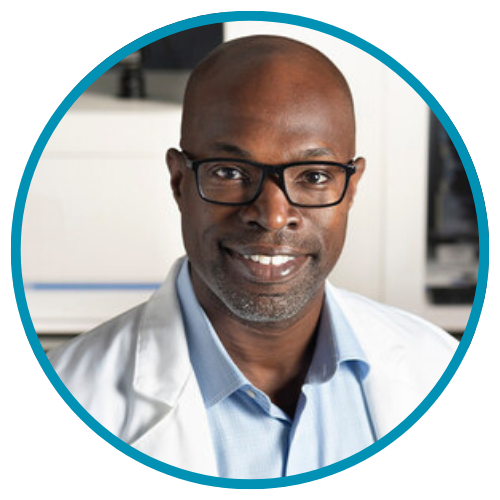
Dr. Kafui Dzirasa
Opening Plenary Session & Keynote Speaker
Engineering the Brain to Prevent Psychiatric Illness
📅 Wednesday, October 21, 2026
⏰ 4:45 PM - 6:00 PM
Kafui Dzirasa, M.D., Ph.D.
Begin the 2026 BMES Annual Meeting with an inspiring opening plenary featuring Kafui Dzirasa, M.D., Ph.D., neuroscientist, engineer, and psychiatrist at Duke University.
In his keynote, “Engineering the Brain to Prevent Psychiatric Illness,” Dr. Dzirasa will explore how engineering and neuroscience can work together to deepen our understanding of psychiatric illness and help advance new approaches to prevention.
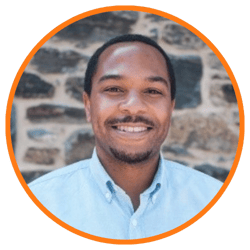
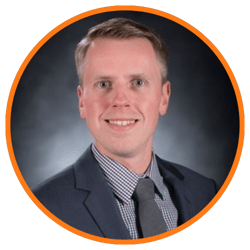
The session will also feature a welcome from the 2026 Annual Meeting Co-Chairs: Dr. Jeannine Coburn, Worcester Polytechnic Institute; Dr. Gregg Duncan, University of Maryland; and Dr. Nathan Schiele, University of Idaho.
-
Learn More About the Speaker
A. Eugene and Marie Washington Presidential Distinguished Professor
Professor of Psychiatry and Behavioral Sciences
Professor in Neurobiology
Professor in Neurosurgery
Professor of Biomedical Engineering
Investigator in the Duke Institute for Brain Sciences
Duke Neurobiology
Duke University School of Medicine
Dr. William Wagner
BMES Robert A. Pritzker Distinguished Lectureship Award
About Those Replacement Parts…
📅 Thursday, October 22, 2026
⏰ 11:00 AM - 12:15 PM
William Wagner, Ph.D.
The BMES Robert A. Pritzker Distinguished Lectureship Award, previously named the BMES Distinguished Lecture Award, was founded in 1991 to recognize biomedical engineering achievement. Each year, the Society bestows this prestigious award to individuals who have demonstrated impactful leadership and accomplishments in biomedical engineering science and practice. Join us for this year’s award lecture featuring William Wagner, Ph.D.
-
Learn More About the Lecture
In the early nineties, the concept of tissue engineering captured the imagination of scientists and engineers as a revolutionary means to address the clinical need for replacement organs and tissues. This excitement spread to the lay press and public, and a near future was envisioned where there would be new hope for those in end-stage organ failure. Thirty plus years later, we know more about what we didn’t know then, and dealing with organ failure has progressed, but not so much through the original concepts. How have clinical advances occurred and how do we evolve better solutions?
Wagner previously served as director of the McGowan Institute for Regenerative Medicine and has held leadership roles across several prominent biomedical engineering organizations. He is also the founding editor and editor-in-chief of *Acta Biomaterialia* and holds 64 issued patents worldwide.
In recognition of his impactful leadership and accomplishments in biomedical engineering science and practice, Wagner was selected to receive the 2026 BMES Robert A. Pritzker Distinguished Lectureship Award. -
Learn More About the Speaker
William Wagner, PhD, is the Berenfield Endowed Chair of Bioengineering and Distinguished Professor of Bioengineering, Surgery, and Chemical Engineering at the University of Pittsburgh. His interdisciplinary career has advanced cardiovascular engineering, medical device design and biocompatibility, biomaterials, and tissue engineering, with a strong focus on translating research into solutions that improve patient care.
Wagner previously served as director of the McGowan Institute for Regenerative Medicine and has held leadership roles across several prominent biomedical engineering organizations. He is also the founding editor and editor-in-chief of *Acta Biomaterialia* and holds 64 issued patents worldwide.
In recognition of his impactful leadership and accomplishments in biomedical engineering science and practice, Wagner was selected to receive the 2026 BMES Robert A. Pritzker Distinguished Lectureship Award.
WORKSHOP: From Purification to Precision: Automated Isolation and Single-Particle Analysis of Extracellular Vesicles and Lipid Nanoparticles for Diagnostic and Therapeutic Applications
📅 Thursday, October 22, 2026
⏰ 2:00 PM - 4:00 PM
In partnership with IZON Science. BMES Certificate of Participation.
The workshop is open to all conference attendees who have prepaid the $25 workshop fee when registering for the annual meeting.
Extracellular vesicles (EVs) and lipid nanoparticles (LNPs) are inherently heterogeneous, with substantial variation in particle size, concentration, and surface properties. Managing this heterogeneity is a central challenge for reproducible research, biomarker development, and clinical translation. This advanced workshop will present an integrated workflow spanning nanoparticle isolation, single-particle characterization, and scale-up, with considerations relevant to both discovery-stage research and process development.
The session will begin with purification using size exclusion chromatography (SEC), including automated fraction collection to improve repeatability and standardization. Attendees will explore how robotic column processing can support parallel handling of multiple columns for higher-throughput formulation and biomarker screening studies across diverse sample types and conditions. SEC chromatography will also be discussed as an approach for extending SEC workflows from bench-scale studies to larger-volume processing. Tangential flow filtration (TFF) will be covered as a complementary approach for concentration and buffer exchange, applied upstream of SEC, downstream, or at both stages depending on sample requirements.
The second half of the workshop will focus on single-particle characterization. Tunable resistive pulse sensing (TRPS) provides particle-by-particle measurements of size, concentration, and zeta potential, enabling resolution of subpopulations that can be obscured by ensemble techniques such as nanoparticle tracking analysis (NTA) and dynamic light scattering (DLS). The workshop will also introduce Nanopore Pulse Sensing (NPS), a solid-state nanopore approach designed to provide streamlined, higher-throughput single-particle analysis across a concentration range of 10⁹–10¹² particles/mL.
Attendees working with EVs or LNPs will gain an integrated perspective on how isolation, characterization, automation, and scale-up considerations can be connected across the research and development workflow.
Izon is also exhibiting at booth 1305.
-
Topics to be Covered
-
EV and LNP Heterogeneity: Understanding variation in particle size, concentration, and surface properties and its implications for reproducible research and clinical translation
-
Size Exclusion Chromatography (SEC): Purifying EVs and LNPs using SEC and removing non-vesicular protein, unconjugated antibodies and unbound dyes from biological fluids and complex formulations
-
Automated SEC Processing: Using automated fraction collection and robotic column processing to improve repeatability, standardization, and throughput
-
High-Throughput Screening: Applying parallel column processing to formulation screening and biomarker screening studies across diverse sample types and conditions
-
Continuous and Monitored SEC: Tracking UV, pH, and conductivity in real time and extending SEC workflows from bench-scale research to larger-volume processing
-
Tangential Flow Filtration (TFF): Applying TFF for concentration and buffer exchange upstream of SEC, downstream, or at both stages depending on sample requirements
-
Scale-Up and Process Development: Connecting isolation workflows across discovery-stage research, process development, and larger-volume processing
-
Tunable Resistive Pulse Sensing (TRPS): Measuring particle size, concentration, and zeta potential on a particle-by-particle basis
-
Nanopore Pulse Sensing (NPS): Using solid-state nanopore sensing for streamlined, higher-throughput single-particle characterization across a concentration range of 10⁹–10¹² particles/mL
-
-
Learn More About the Speakers
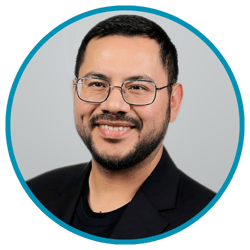
Dr. Botai Xuan, Chief Scientist Americas, IZON Science
Botai Xuan earned his Ph.D. in Molecular Pharmacology and Physiology from Brown University, where his dissertation research pioneered the biophysical characterization of a novel subpopulation of polypoidal cancer cells. As Chief Scientist for the Americas at Izon Science, he leads scientific and technical projects of the company's nanoparticle and extracellular vesicle characterization platforms. His background spans single-particle biophysical and molecular characterization of EV and nanoparticle systems. He is helping translate rigorous science into robust, accessible tools that push the EV and nanoparticle field forward.Dr. Gerardo Mauleon, Business Development Manager, IZON Science
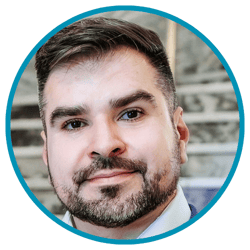
Gerardo Mauleon is Business Development Manager for the Midwest and Latin America region at Izon Science, a leader in extracellular vesicle isolation and nanoparticle characterization. He earned his Ph.D. in Bioengineering from the University of Illinois Chicago, developing microfluidic platforms for oxygen control in living tissue, and completed postdoctoral work at the University of Chicago studying single-EV dynamics in microfluidic systems. At Izon, he supports academic labs, biotech startups, and pharmaceutical companies in fields spanning EVs, nanomedicine, cell and gene therapy, and biomarker discovery. He is passionate about helping researchers overcome barriers in EV isolation and analysis and works with scientific communities across North and Latin America in English and Spanish.Alejandro Flores, Senior Sales and Application Scientist, IZON Science
Alejandro Castañeda Flores earned an M.S. and B.S.E. in Chemical Engineering from Arizona State University. As Senior Sales and Application Scientist at Izon Science in Houston, TX, he specializes in nanoparticle characterization, EV isolation, single-particle analysis techniques, and scientific instrument workflows. He leads process development and technology transfer for EV processing and has driven the adoption of chromatography for EV-based therapeutics and diagnostics. Before joining Izon Science, Alejandro spent two years at Fujifilm Diosynth Biotechnologies, where he ran closed-process downstream operations and authored SOPs under cGMP regulations while training junior team members. Passionate about translating cutting-edge science into practical lab workflows, he continues to help researchers and manufacturers apply EV and nanoparticle technologies to real-world therapeutic and diagnostic challenges.
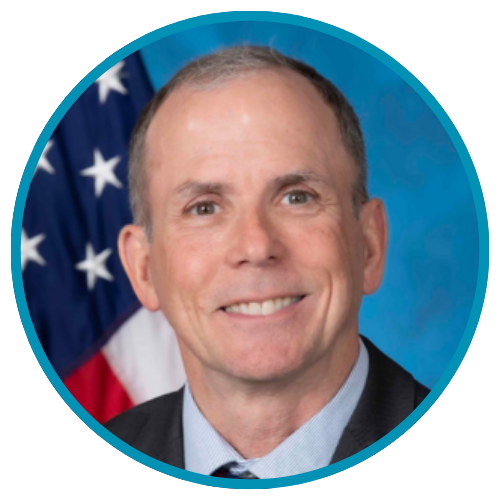
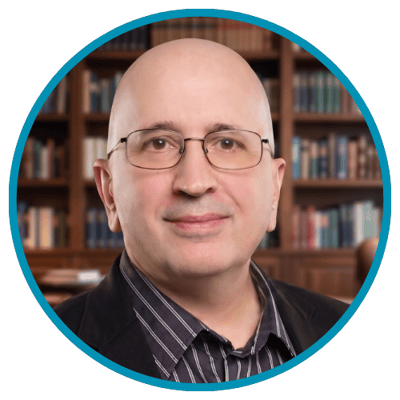
Dr. Botai Xuan
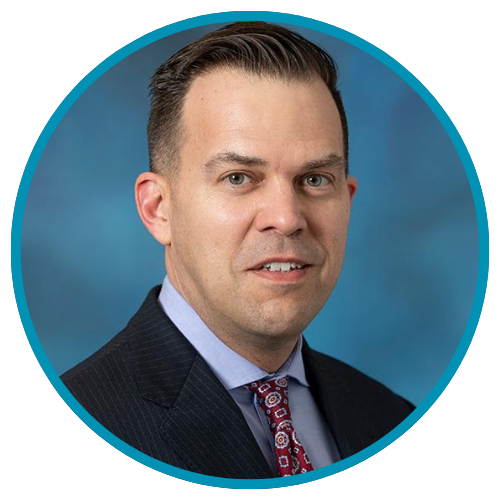
Dr. Gerardo Mauleon
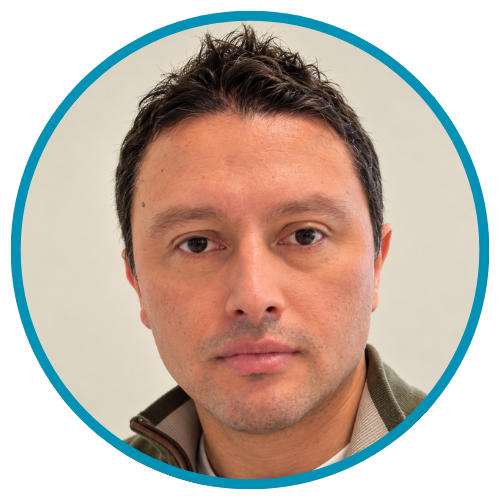
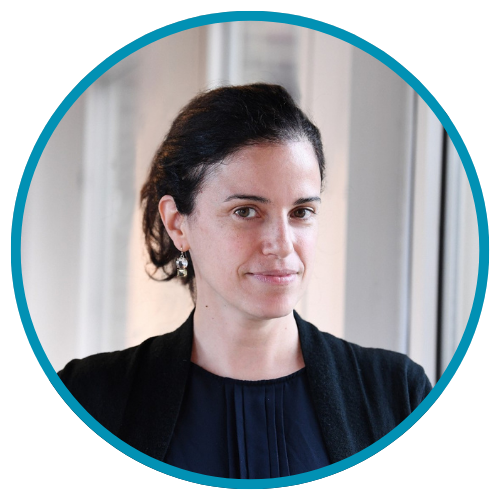
Alejandro Flores
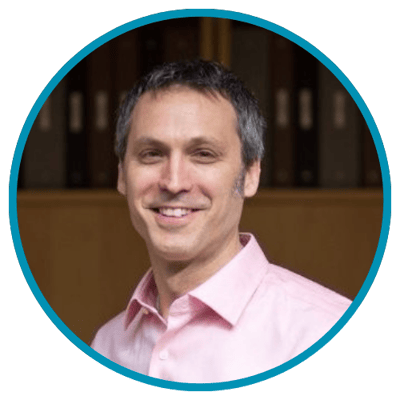
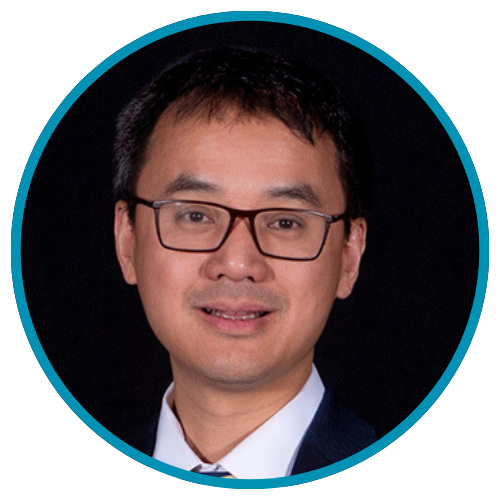
Kevin Potcner
WORKSHOP: Statistical Methods for Biomedical Research
📅 Thursday, October 22, 2026
⏰ 3:45 PM - 5:15 PM
In partnership with JMP Statistical Discovery. BMES Certificate of Participation.
The workshop is open to all conference attendees who have prepaid the $25 workshop fee when registering for the annual meeting.
Research and product development efforts are most effective when they leverage statistical methods to discover patterns, describe relationships, and support reliable data-driven decision-making. In this session, a statistical scientist from JMP will provide an overview of key statistical approaches for exploring, modeling, and analyzing biomedical research data across the research and product development lifecycle.
The workshop session will cover graphical techniques for exploratory data analysis, statistically efficient approaches to designing and analyzing experiments, and both classic and modern statistical modeling methods for identifying factors that influence outcomes, describing multivariable relationships, and making predictions. The presentation will also introduce bioimage analysis using deep learning neural networks to develop models that predict outcomes from images
JMP is also exhibiting at booth 425.
-
Topics to be Covered
-
Data Visualization and Exploratory Analysis: Using graphical techniques to explore multidimensional data, uncover patterns and insights, visualize relationships, and communicate results effectively
-
Design and Analysis of Experiments (DOE): Planning and analyzing statistically efficient experiments to support product development while minimizing time, cost, and material usage
-
Classic and Modern Statistical Modeling: Building and evaluating models to identify factors that influence critical outcomes, describe multivariable relationships, and predict outcomes
-
Bioimage Analysis: Constructing predictive models using Torch deep learning neural networks to predict outcomes from images
-
Download JMP and data sets prior to workshop if wanting to follow along:
-
Faculty and Students – Download free academic license.
-
Commercial – Download free 30-day trial of Standard JMP.
-
Workshop Materials (data): Download here.
-
-
-
Learn More About the Speaker
Kevin Potcner, M.S., Statistical Scientist, JMP Statistical Discovery Software
Kevin Potcner is a statistical scientist from JMP Statistical Discovery Software. His primary function is to support the academic community in the use of JMP in teaching and research. He has 25+ years of consulting and teaching experience guiding engineers, scientists, and business professionals in data-driven decision making. Kevin has worked in a wide range of industries including automotive, biotech, chemical, consumer goods, healthcare, financial services, food & beverage, medical device, pharmaceutical, semiconductor, among others.Kevin has held teaching positions at The Rochester Institute of Technology, University of Florida, University of San Francisco, and California State University – Fullerton. Kevin holds a BS in Printing Sciences and an MS in Applied Statistics both from The Rochester Institute of Technology.
Dr. Reza Fazel-Rezai
WORKSHOP: Generative AI and In Silico Modeling for Biomedical Data Analysis
📅 Friday, October 23, 2026
⏰ 8:30 AM - 11:00 AM
In partnership with MathWorks. BMES Certificate of Participation.
The workshop is open to all conference attendees who have prepaid the $25 workshop fee when registering for the annual meeting.
In silico medicine and machine intelligence are transforming biomedical research by enabling high-fidelity modeling of human physiology and data-driven analysis of complex biomedical signals. This guided, hands-on workshop will introduce computational approaches for simulating cardiac electrophysiology and applying artificial intelligence to detect cardiac anomalies.
Through guided examples, attendees will explore how physiological models can be parameterized to represent diseased states such as regional ischemia and used to generate electrocardiogram (ECG) and cardiac electrogram (EGM) signals. The workshop will then demonstrate how deep learning approaches, including convolutional neural networks (CNNs) and long short-term memory networks (LSTMs), as well as generative AI (GenAI), can be applied to biomedical signal classification and anomaly detection.
Designed for biomedical engineers and researchers across a range of computational experience, the session will provide practical insight into building physiological models, analyzing biomedical signals, and applying advanced techniques for AI-based classification and model verification.
MathWorks is also exhibiting at booth 1301.
-
Topics to be Covered
-
High-fidelity cardiac modeling: Building and refining computational models of cardiac electrophysiology and human physiological systems
-
Disease-state simulation: Parameterizing models to represent pathological conditions, including regional ischemia
-
Simulated biomedical signals: Generating and analyzing ECG and cardiac electrogram (EGM) signals from physiological simulations
-
AI for biomedical signal analysis: Applying time-frequency methods, CNNs, LSTMs, and other deep learning approaches to ECG classification and cardiac anomaly detection
-
Generative AI in biomedical research: Exploring GenAI approaches for biomedical data analysis
-
AI model verification: Evaluating AI models for reliability, robustness, and safety
-
Practical methods and tools: Tips and techniques for applying computational modeling and machine intelligence to biomedical research
-
-
Learn More About the Speaker
Reza Fazel-Rezai, Ph.D., Senior Science and Education Application Engineer, MathWorks
Dr. Reza Fazel-Rezai, with a Ph.D. and MS in Biomedical Engineering and a BS in Electrical Engineering, brings over two decades of experience in both industry and academia. As a senior research scientist, research team manager, and the founding Director and tenured full Professor of Biomedical Engineering, he has extensive expertise and background in the field. Dr. Fazel-Rezai has authored more than 200 scientific publications, edited and published seven books, and pursued diverse research interests in biomedical signal and image processing, particularly through machine learning and deep learning methods. Passionate about leveraging and sharing his skills to help others achieve their goals, he currently serves as an ABET PEV for Biomedical Engineering, works part-time as an instructor at UC San Diego, and is a full-time Senior Science and Education Application Engineer at MathWorks.
Dr. Elisa Konofagou
NIH/NIBIB Lecture
Pressure is a Privilege: Ultrasound for Diagnostics, Therapeutics and Theranostics
📅 Friday, October 23, 2026
⏰ 11:00 AM - 12:00 PM
Elisa Konofagou, Ph.D.
The NIH/NIBIB Lecture highlights innovative research shaping the future of human health. This year’s featured speaker, Elisa Konofagou, PhD, Director of the Ultrasound and Elasticity Imaging Laboratory at Columbia University, will present “Pressure Is a Privilege: Ultrasound for Diagnostics, Therapeutics and Theranostics.” Join us to explore how advances in ultrasound are expanding opportunities to diagnose, treat and monitor disease.
-
Learn More About the Speaker
Robert and Margaret Hariri Professor of Biomedical Engineering
Professor of Radiology (Physics)
Professor of Neurosciences (in Neurosurgery)
Columbia University
1201 Wilson Boulevard
Suite 10-108
Arlington, VA 22209
Contact Us
BMES is the premier professional community for biomedical engineering innovation and excellence. Our vibrant organization unites more than 6,700 members and a network of over 25,000 across academia, industry, and healthcare, supported by 115+ student chapters worldwide. Through our conferences, specialized interest groups, four leading journals and a myriad of initiatives, we drive advances in medical technology, research, and patient care. Join us in shaping the future of healthcare through engineering.

