

Proposed FY2027 Budget Signals Cuts to Biomedical Research and Science Agencies
Late last week, the Administration released the FY 2027 President’s Budget Request, outlining proposed funding levels across federal science and...
BMES serves as the lead society and professional home for biomedical engineers and bioengineers. BMES membership has grown to over 6,700 members, with more than 110+ BMES Student Chapters, three Special Interest Groups (SIGs), and four professional journals.
Welcome to the BMES Hub, a cutting-edge collaborative platform created to connect members, foster innovation, and facilitate conversations within the biomedical engineering community.
Discover all of the ways that you can boost your presence and ROI at the 2024 BMES Annual Meeting. Browse a range of on-site and digital promotional opportunities designed to suit any goal or budget that will provide maximum impact.
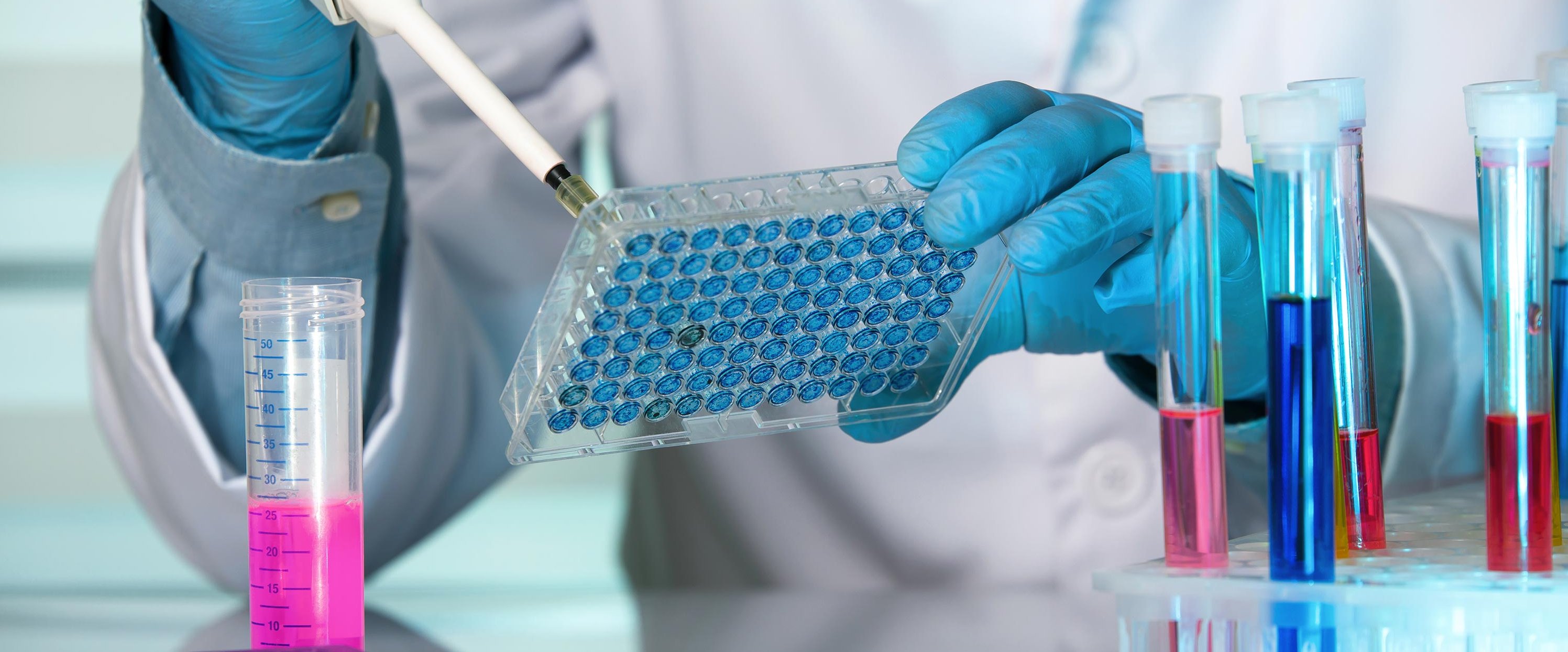
Rutgers researchers have created an automated blood drawing and testing device that provides rapid results.
A study describing the fully automated device is published online in the journal TECHNOLOGY.
“This device represents the holy grail in blood testing technology,” Martin L. Yarmush said in an article about the project. Yarmush is a BMES member and the senior author of the study and Paul and Mary Monroe Endowed Chair and distinguished professor in the Department of Biomedical Engineering at Rutgers University–New Brunswick.
“Integrating miniaturized robotic and microfluidic (lab-on-a-chip) systems, this technology combines the breadth and accuracy of traditional blood drawing and laboratory testing with the speed and convenience of point-of-care testing,” he said in the article.
The success rate of manually drawing blood samples depends on clinicians' skill and patient physiology, and nearly all test results come from centralized labs that handle large numbers of samples and use labor-intensive analytical techniques, the article states.
So, a Rutgers biomedical engineering research team created a device that includes an imageguided robot for drawing blood from veins, a sample-handling module and a centrifugebased blood analyzer. Their device provides highly accurate results from a white blood cell test, using a blood-like fluid spiked with fluorescent microbeads.
Read more HERE
Late last week, the Administration released the FY 2027 President’s Budget Request, outlining proposed funding levels across federal science and...
In the biomedical engineering ecosystem, breakthroughs often begin in the lab but getting them to patients is a complex journey. That is where...
William Wagner is the Berenfield Endowed Chair of Bioengineering and Distinguished Professor of Bioengineering, Surgery, and Chemical Engineering at...
1 min read
The Akay Lab biomedical research team at the University of Houston has improved on a microfluidic brain cancer chip previously developed in their...

1 min read
Purdue University researchers have developed new technology to help stop the spread of foodborne illnesses by detecting them more efficiently.The...
Want to make an impact? As a CDR reviewer, you’ll evaluate submissions from student chapters and help determine which ones deserve top recognition....